Houjicha Online | Roasted Single-Origin Ise Tea from Kawamatatani
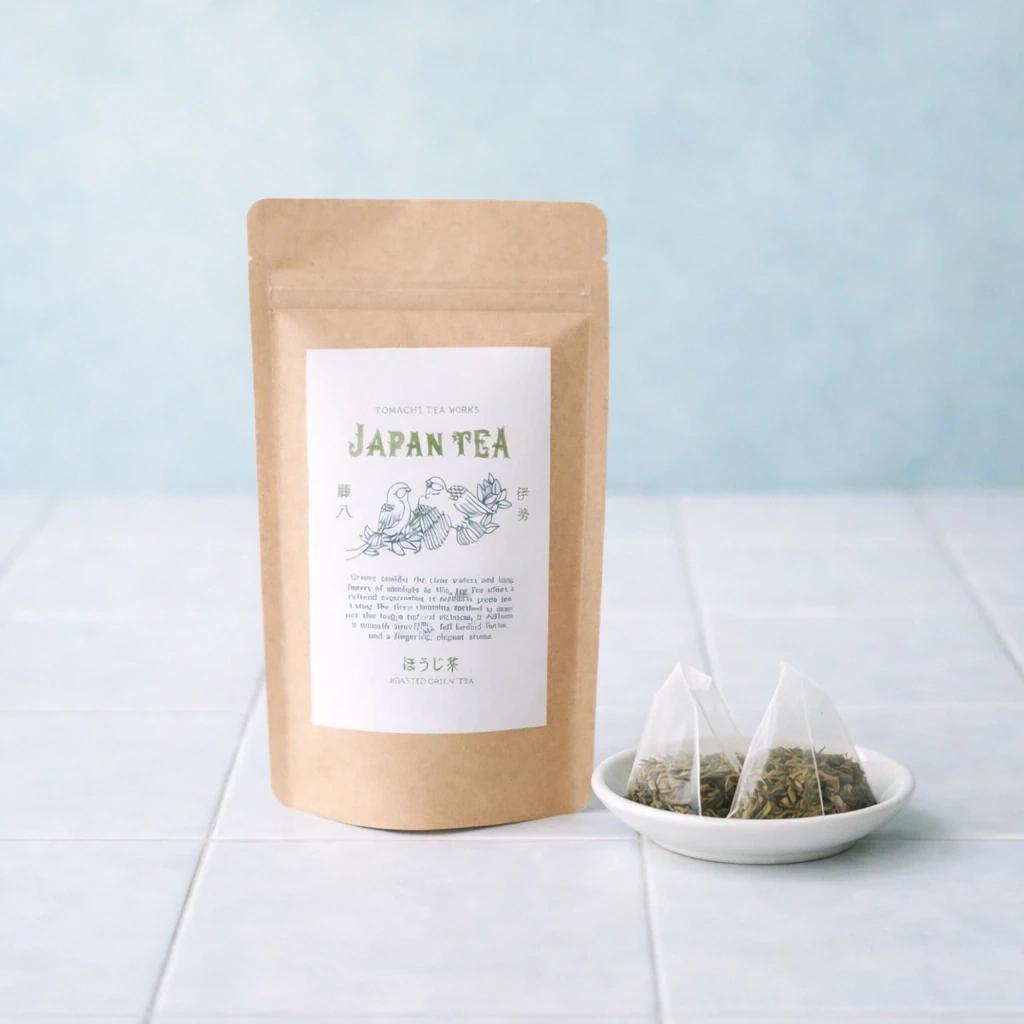
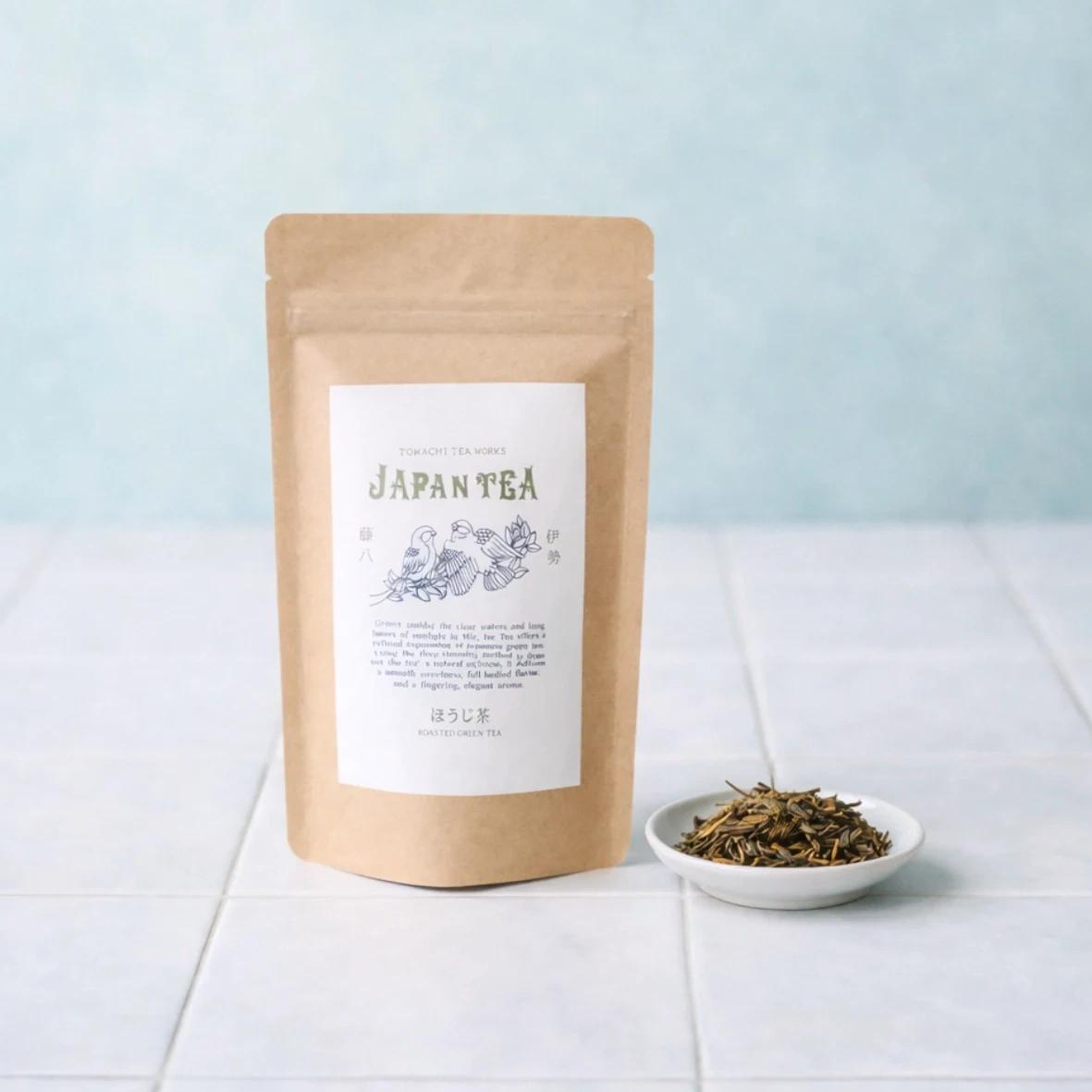
Houjicha is a roasted green tea celebrated for its toasty aroma and smooth, gentle flavour. Fujihachi Saryo's houjicha is made from single-origin Ise tea grown in our own fields in Kawamatatani, Matsusaka, Mie Prefecture, and is available as teabags, loose leaf, and powder. Roasting reduces caffeine, making it ideal for evenings and as a companion to meals.
Ise Tea Houjicha Teabags × 8What is houjicha? — the toasty richness born from roasting
Houjicha is made by roasting green tea leaves (such as bancha, sencha, or kukicha) at around 200°C. This high-temperature roasting transforms the tea's compounds, producing pyrazine aromatics that give houjicha its signature toasty fragrance.
Roasting also causes some caffeine to evaporate, reducing the content to approximately 10 mg per 100 ml — less than two-thirds of regular green tea. This makes houjicha a good choice in the evenings or for those watching their caffeine intake.
Heat also denatures tannins, the compounds responsible for bitterness, giving houjicha its smooth, mellow flavour. The liquor takes on a distinctive amber-brown colour — quite different from the green of unroasted tea.
Fujihachi Saryo's houjicha is roasted from single-origin Ise tea from Kawamatatani. Starting with leaves naturally rich in umami means the roasting builds on a solid flavour foundation — producing a houjicha where both the toasty aroma and the tea's inherent umami shine through.
Single-origin houjicha from Kawamatatani
Kawamatatani is a storied tea-growing region in Matsusaka, Mie Prefecture — known as the birthplace of Ise tea. The valley's mountain-surrounded terrain naturally blocks afternoon sunlight, allowing the leaves to accumulate theanine, the amino acid behind green tea's characteristic umami. This natural shading-like environment produces tea that other regions cannot replicate.
Starting with leaves rich in umami means that even after roasting, the flavour foundation remains strong — giving rise to a houjicha with vivid toasty aroma and depth of taste. After harvesting, the leaves are carefully processed by a local producer with intimate knowledge of Kawamatatani, then delivered direct from origin to you.
Houjicha Products from Fujihachi Saryo
Ways to use houjicha powder
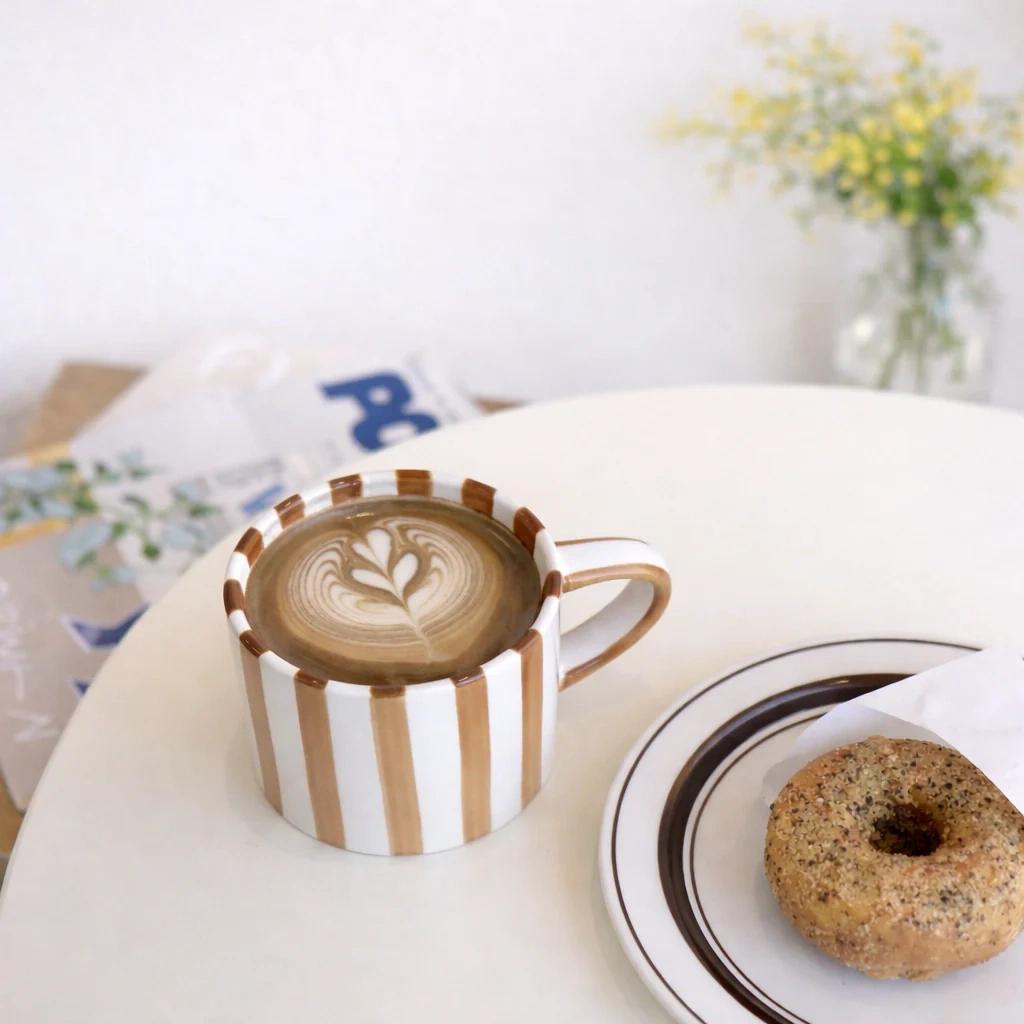
Fujihachi Saryo's houjicha powder dissolves easily in hot water or milk, making it simple to create a houjicha latte at home. The toasty aroma of houjicha pairs beautifully with the sweetness of milk for a café-quality cup in minutes.
The powder is also versatile in baking and cooking — flavouring pancakes, ice cream, and chocolate, or mixing into creams and doughs in the same way you would use matcha powder.
See how houjicha powder compares to matcha and powdered green tea
How to Brew
Hot
- Water temperature: 90–100°C (higher temperature brings out more aroma)
- Amount: 1 teabag, or 3–4 g of loose leaf
- Steeping time: 30 seconds to 1 minute
Cold brew
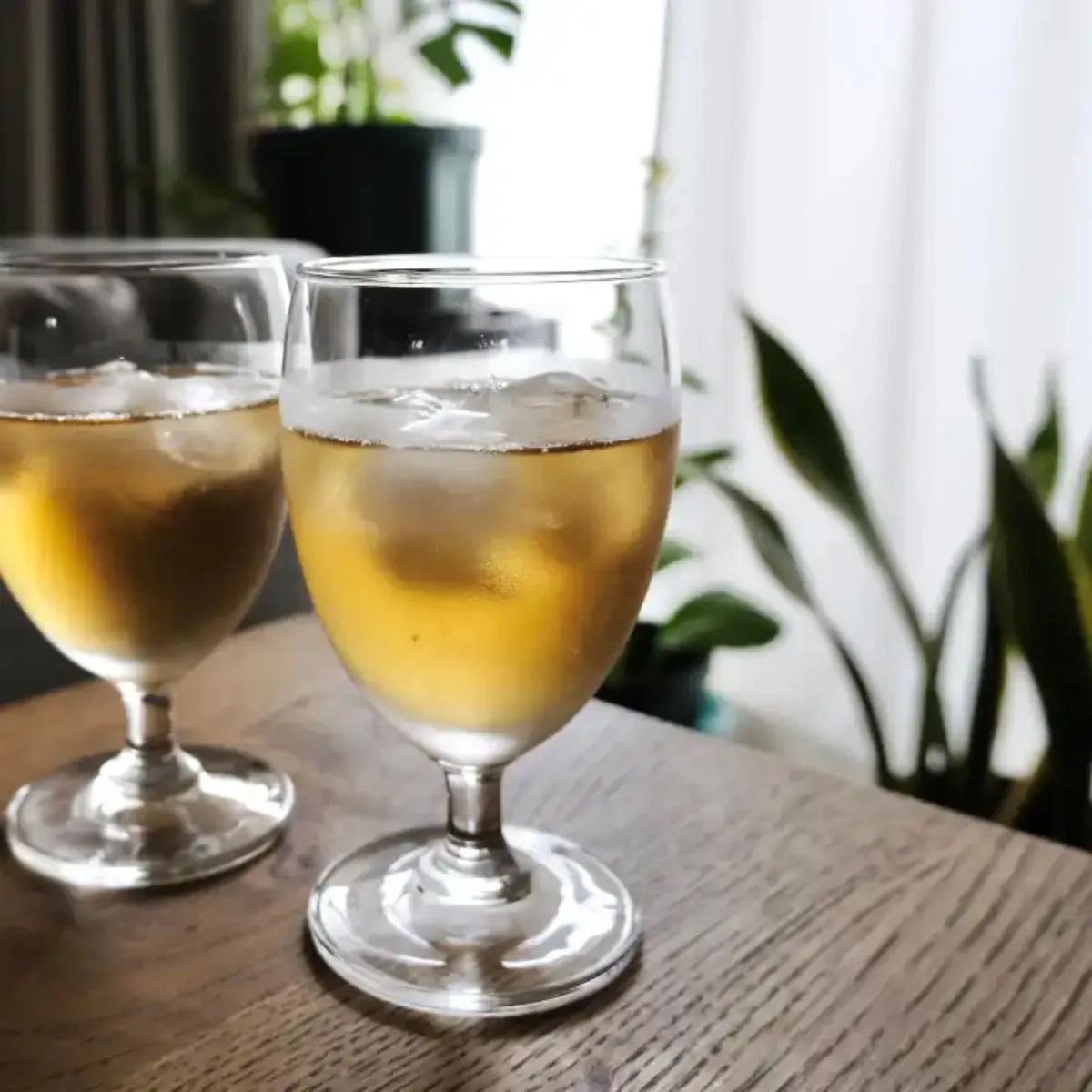
- Add 1–2 teabags to 500 ml of cold water and refrigerate for 1–2 hours
- The toasty aroma softens into a clean, refreshing flavour
- Remove the teabags after brewing before storing
Powder
- Dissolve 1 teaspoon (approx. 2 g) in 150 ml of water at 80–100°C
- Use milk instead of water for a houjicha latte
- For baking: use 2–3 teaspoons per 100 g of flour as a guide
Frequently Asked Questions
- Q.Is houjicha low in caffeine?
A.Yes. Roasting causes some caffeine to evaporate, reducing the content to approximately 10 mg per 100 ml — less than two-thirds of regular green tea. It is a good choice for evenings or when you want to limit caffeine.
- Q.What is the difference between houjicha powder and teabags or loose leaf?
A.Teabags and loose leaf are brewed by steeping in hot water. The powder dissolves directly in hot water or milk, making it ideal for houjicha lattes and baking. All forms use the same tea leaves from Kawamatatani.
- Q.Can I make cold brew houjicha?
A.Yes. Place teabags in cold water and refrigerate for 1–2 hours to enjoy a cold brew houjicha where the toasty aroma gently opens up.
- Q.Do you use pesticides or additives?
A.We use only tea leaves grown in Mie Prefecture and add no additives whatsoever. The only ingredient is "green tea (Mie Prefecture)".
- Q.What is the shelf life?
A.The shelf life is one year from the date of manufacture. After opening, store away from moisture and consume as soon as possible.