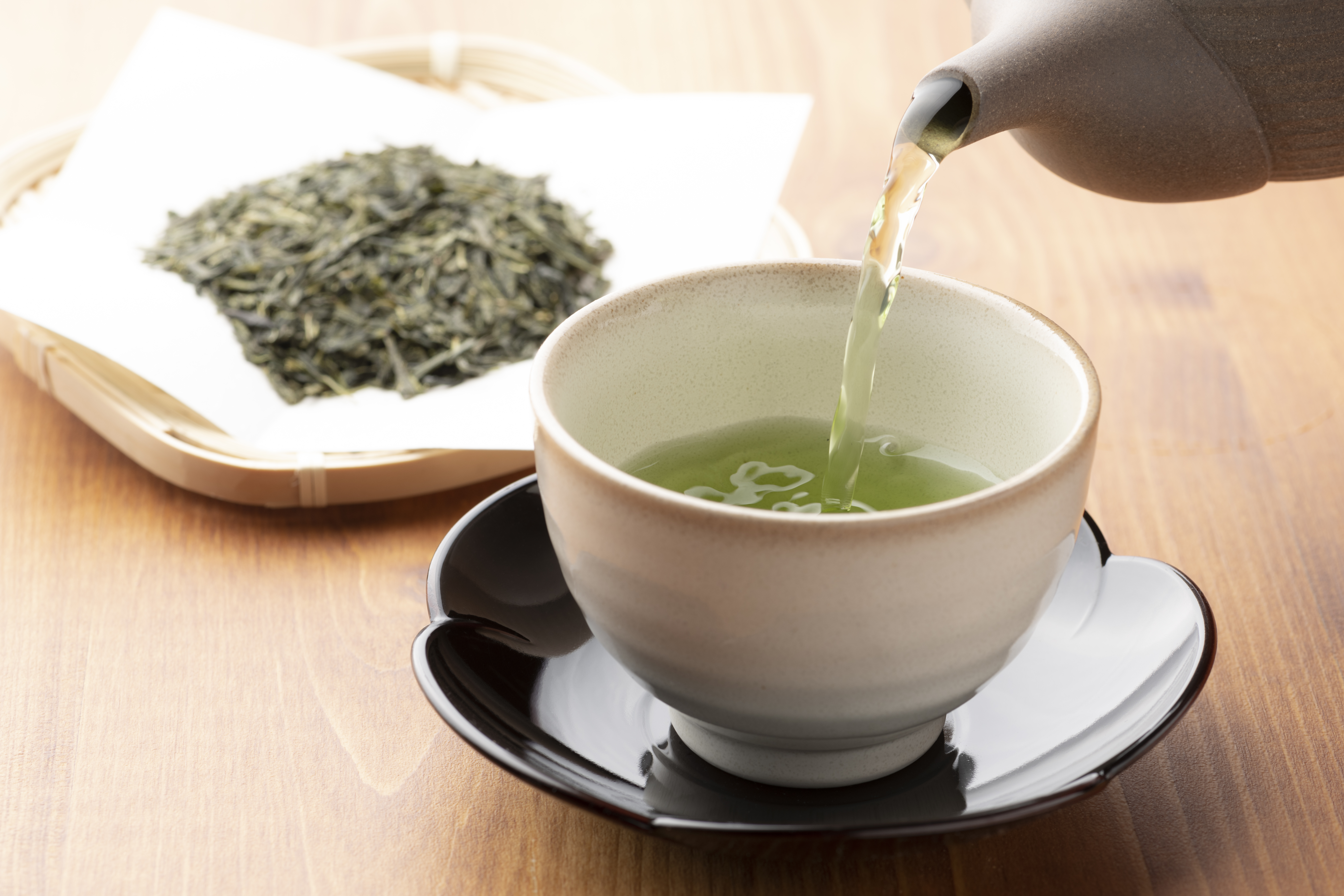
How to brew tea
Tea at home can taste much better with a few simple tips. The key is the balance of leaf amount, water amount, temperature, and steeping time. Get this right and the same leaves will shine.
This page shares easy recipes and tips for your daily tea time. Whether it’s a busy morning or a quiet afternoon, you can enjoy fragrant tea at home with minimal effort.
Balance of leaves and water
If you pay attention to the amount of leaves, the amount of water, and the steeping time, it’s easier to get the strength you like.
- Amount of leaves: more makes it stronger, less makes it lighter.
- Amount of water: less water gives a stronger brew, more gives a milder one. Good leaves often need only a small amount for a rich cup.
- Steeping time: use a longer time with lower water temperature and a shorter time with higher. If you prefer less astringency, keep the time short.
Brewing with tea bags
Guide: 160cc water / 70–80°C
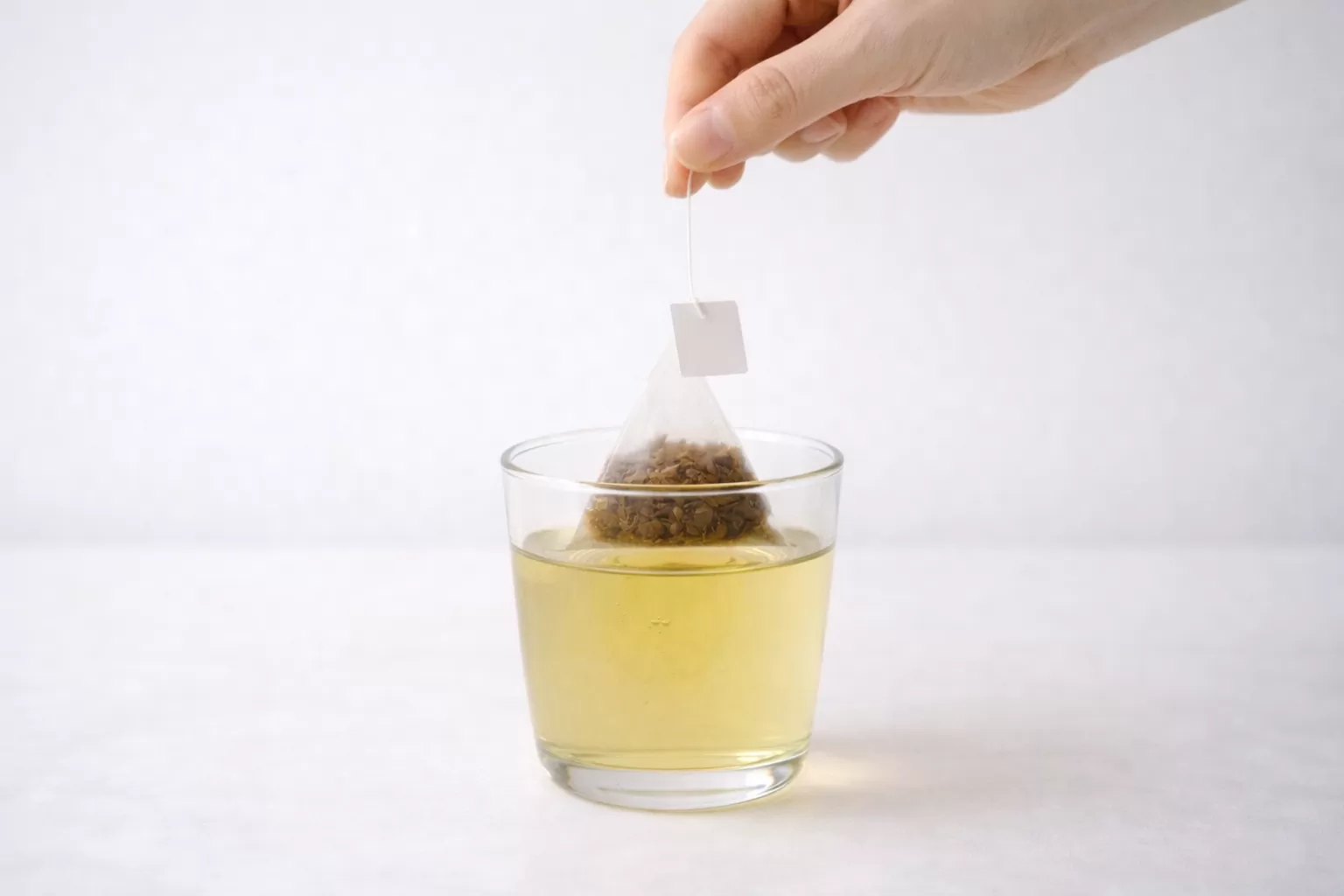
- Put the tea bag in a mug
- Pour about 160cc of hot water
- Wait 90–120 seconds
Brewing green tea slowly at 70–80°C brings out sweetness and body. Hojicha is more aromatic at around 90°C. You can add more water to the same bag for a second and third cup.
Brewing loose-leaf tea
Guide: 160cc water / 70–80°C
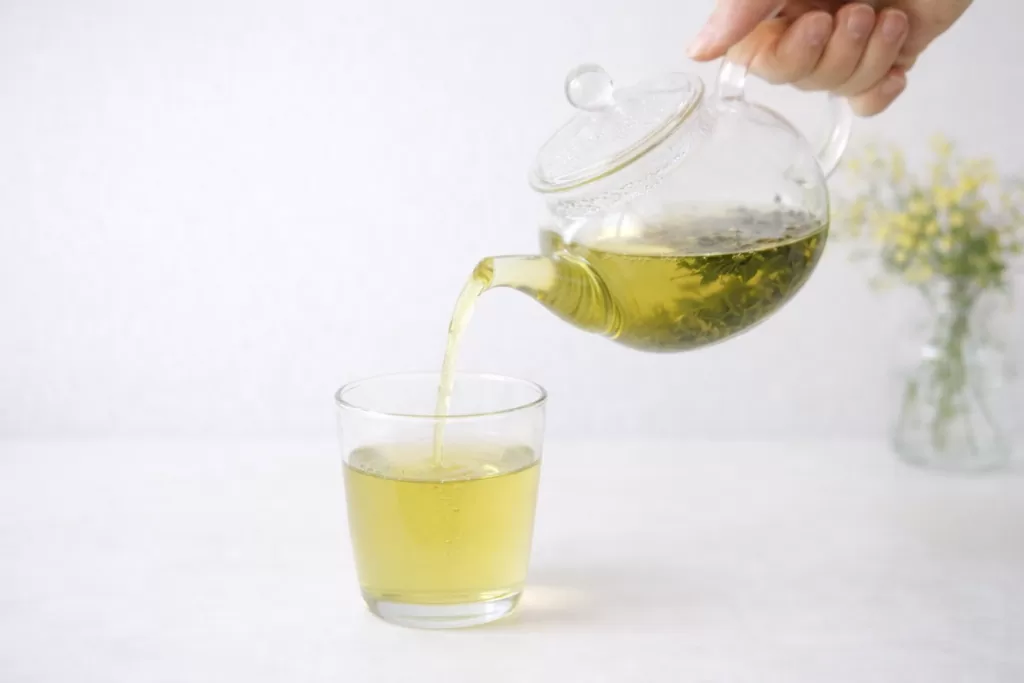
- Put about 3g of leaves in a teapot
- Pour about 160cc of hot water
- Put the lid on and wait 90–120 seconds
- Pour slowly. When serving several cups, pour a little into each in turn so everyone gets the same strength.
Fukamushi tea has fine leaves, so a teapot with a fine mesh (fukamushi kyusu) will brew it better.
Choosing a kyusu for fukamushi tea
- Size: 200–300ml is common (2–3 cups). If you usually drink alone, 150–200ml makes it easier to control the amount of water and get a good brew.
- Shape: Flatter or wide-bottomed pots are best. Fine leaves spread in a thin layer so the water reaches them evenly and umami is extracted well.
- Material: Tokoname and Banko ware are made from clay rich in iron oxide, which reacts with tannins to soften astringency and deepen body. They suit fukamushi tea well.
- Strainer: Fukamushi leaves are powdery and can clog normal strainers. Use a stainless mesh or a fine-mesh strainer made for fukamushi.
Cold-brew tea
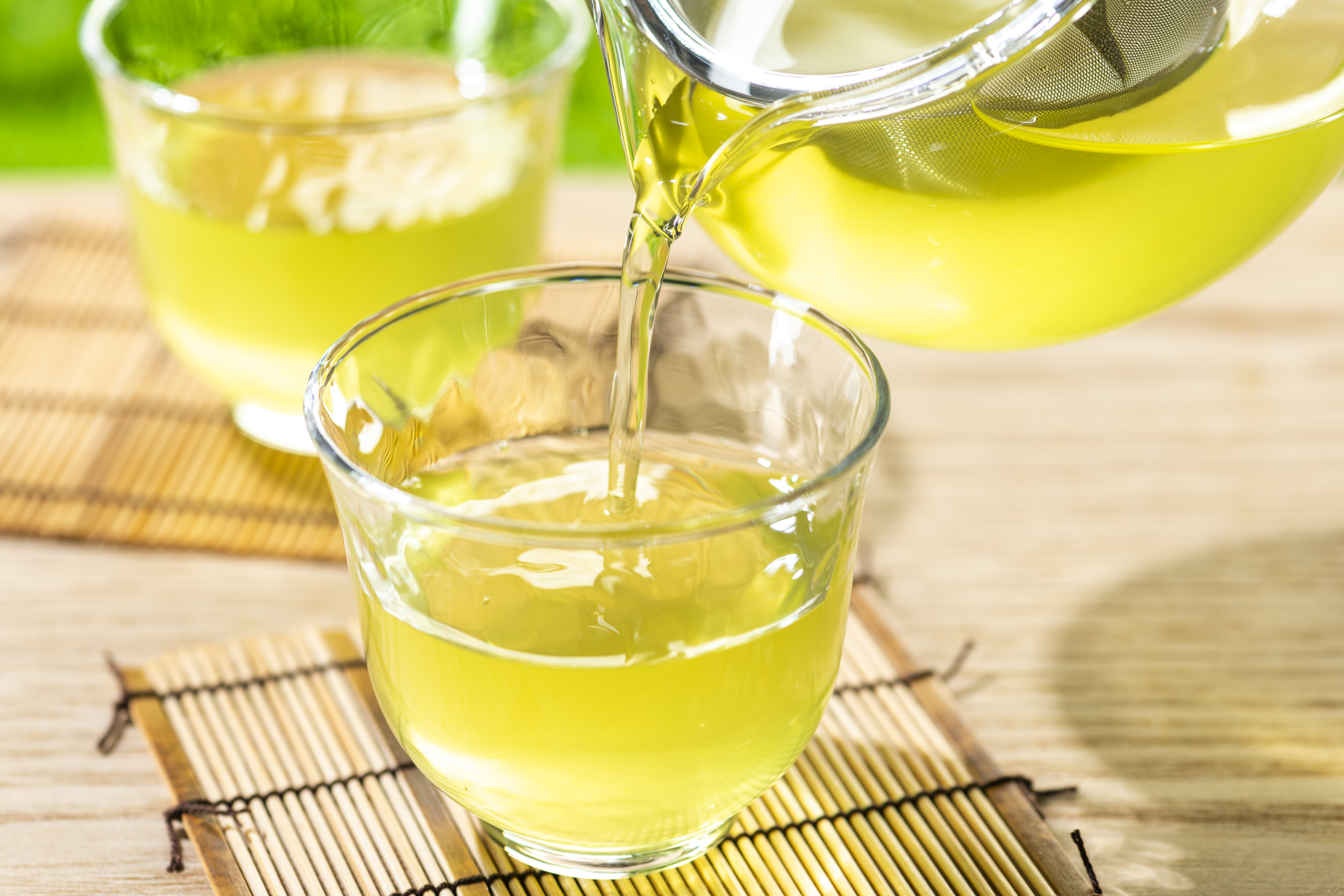
Guide: 10–15g leaves (2–3 tbsp) or 2–3 tea bags per 1 litre of water
- Put the leaves (or tea bags) in a pot or bottle
- Add 1 litre of water
- Leave in the fridge for 2–6 hours
Fukamushi gives a vivid green and full-bodied cold brew; hojicha is nutty and light. Drink cold-brew tea within a day.
Why we use fukamushi for our powder
We use premium Ise fukamushi tea as the base for our powder, not ordinary green-tea powder. While many powdered teas look dull in a latte, ours keeps a deep aroma and vivid green colour. We’ve kept the rich body and colour of fukamushi even in powder form.
Gaienmae Cafe Nyuwa owner and influencer @__wadakanami__ made a fun hojicha latte with Fujihachiya's hojicha powder. Please take a look. You can also enjoy it at Cafe Nyuwa.
Green tea & hojicha latte
Green tea latte
- Green tea powder: 3g
- Hot water: 25–30ml
- Milk: 160cc
- Sugar: 1 tsp (optional)
Dissolve the powder in a little hot water, then add warmed milk.

Hojicha latte
- Hojicha powder: 3g
- Hot water: 25–30ml
- Milk: 160cc
- Sugar: 1 tsp (optional)
Dissolve the powder in a little hot water, then add warmed milk.

Powdered green tea vs matcha
What is powdered green tea
It’s sencha (the tea we brew in a pot) simply ground into powder. It doesn’t have matcha’s special aroma and can look dull in lattes, but it’s easy for daily use and you get the full nutrients of the leaves. Grown in full sun, it’s rich in catechins.
What is matcha
Matcha is made from tencha. The tea is shaded for about 20 days before harvest, which limits the conversion of theanine into catechins. The result is matcha’s vivid green colour and deep, smooth flavour.
Storing tea
Tea is a dried product but freshness matters. Storing it properly before and after opening helps keep aroma and flavour.
After opening
- Keep away from strong-smelling foods (e.g. coffee, spices)
- Store in an airtight bag or tin, away from air
- Keep in a cool, dark place, out of direct sun
Long-term (unopened)
- Refrigerate or freeze to keep freshness
- Bring to room temperature before opening to avoid condensation
We recommend finishing opened tea within about 2 weeks to 1 month. Enjoy a cup that suits the moment.
Products
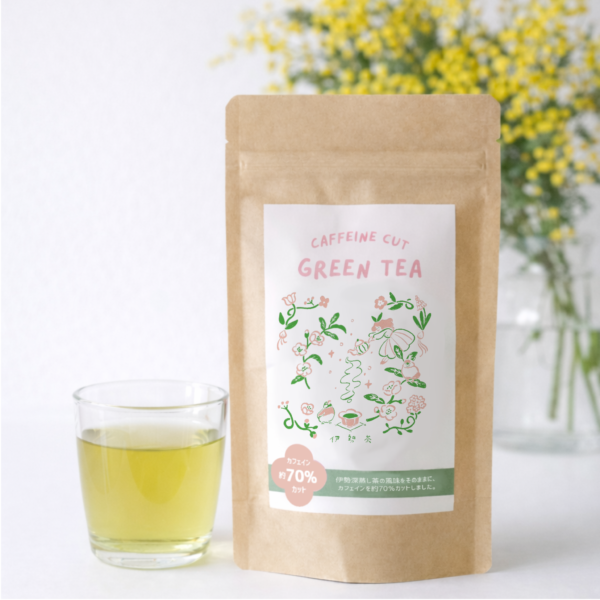 Decaffeinated (decaf) green tea 8 teabags¥1,296 (tax incl.)
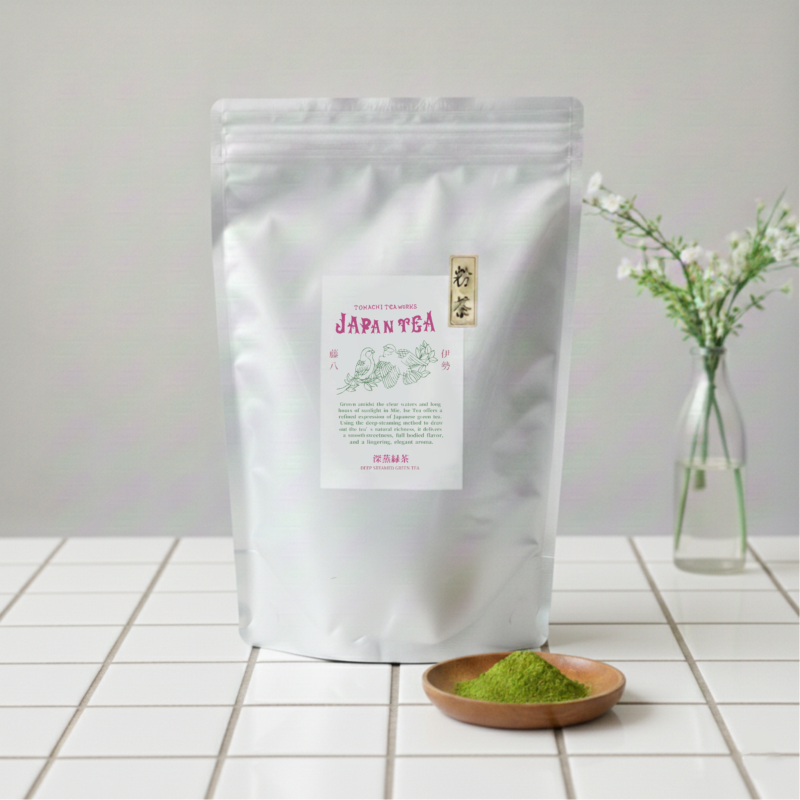 Ise-cha powder 500g (unsweetened)¥6,450 (tax incl.)
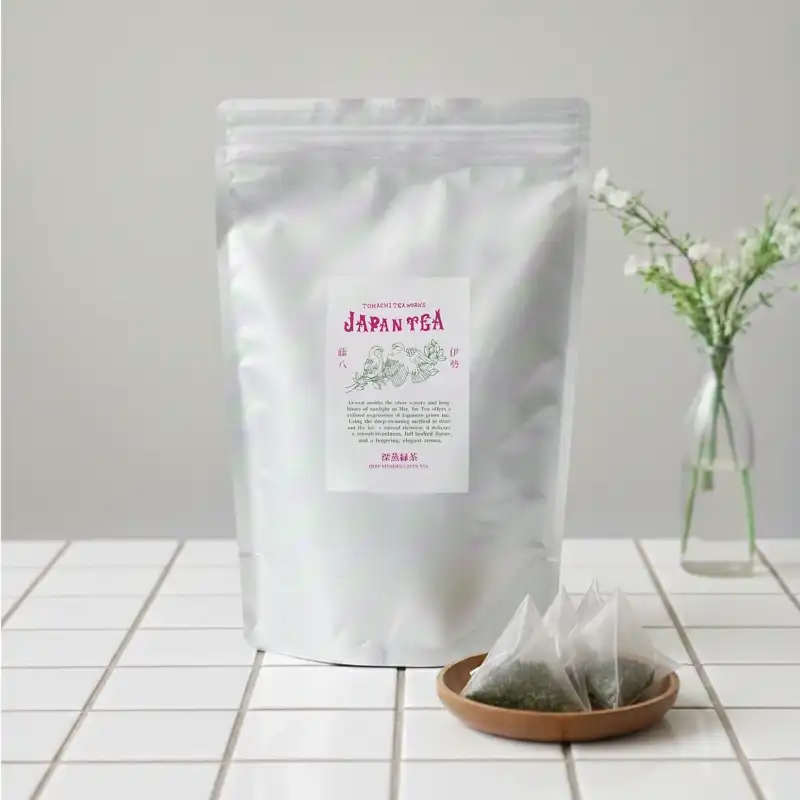 Ise deep steamed tea 50 teabags¥5,940 (tax incl.)
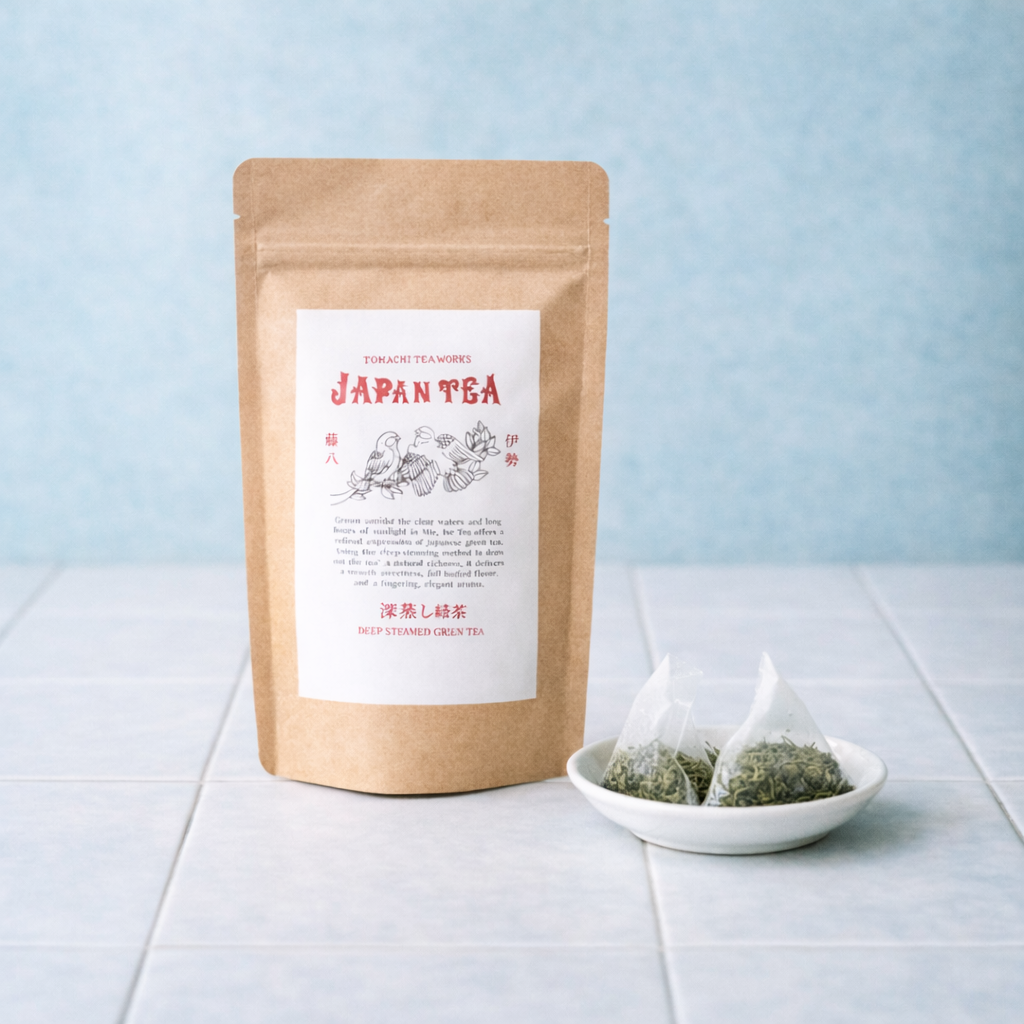 Ise deep steamed tea 10 Teabags¥1,188 (tax incl.)
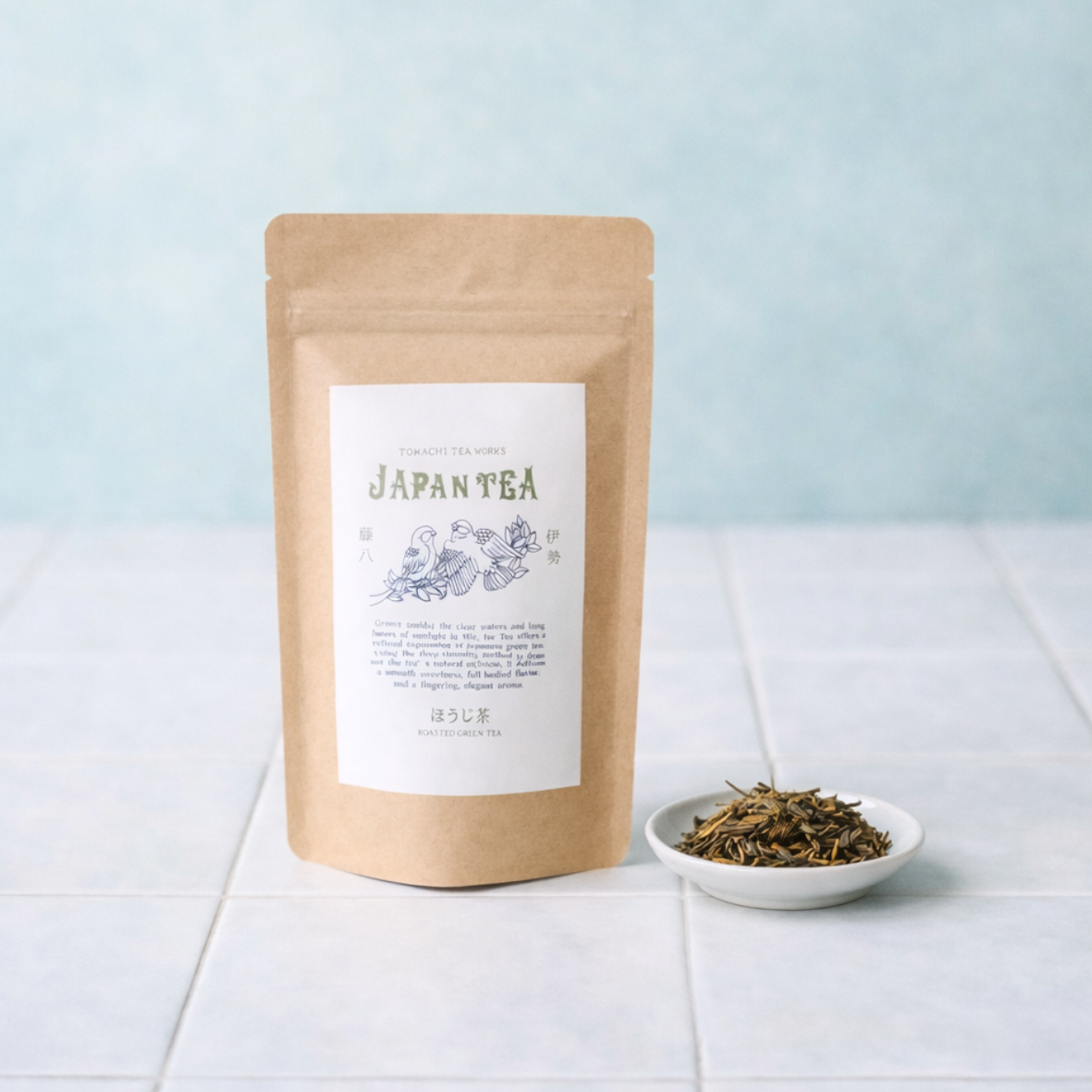 Ise hojicha leaf (tea leaves) 30g¥972 (tax incl.)
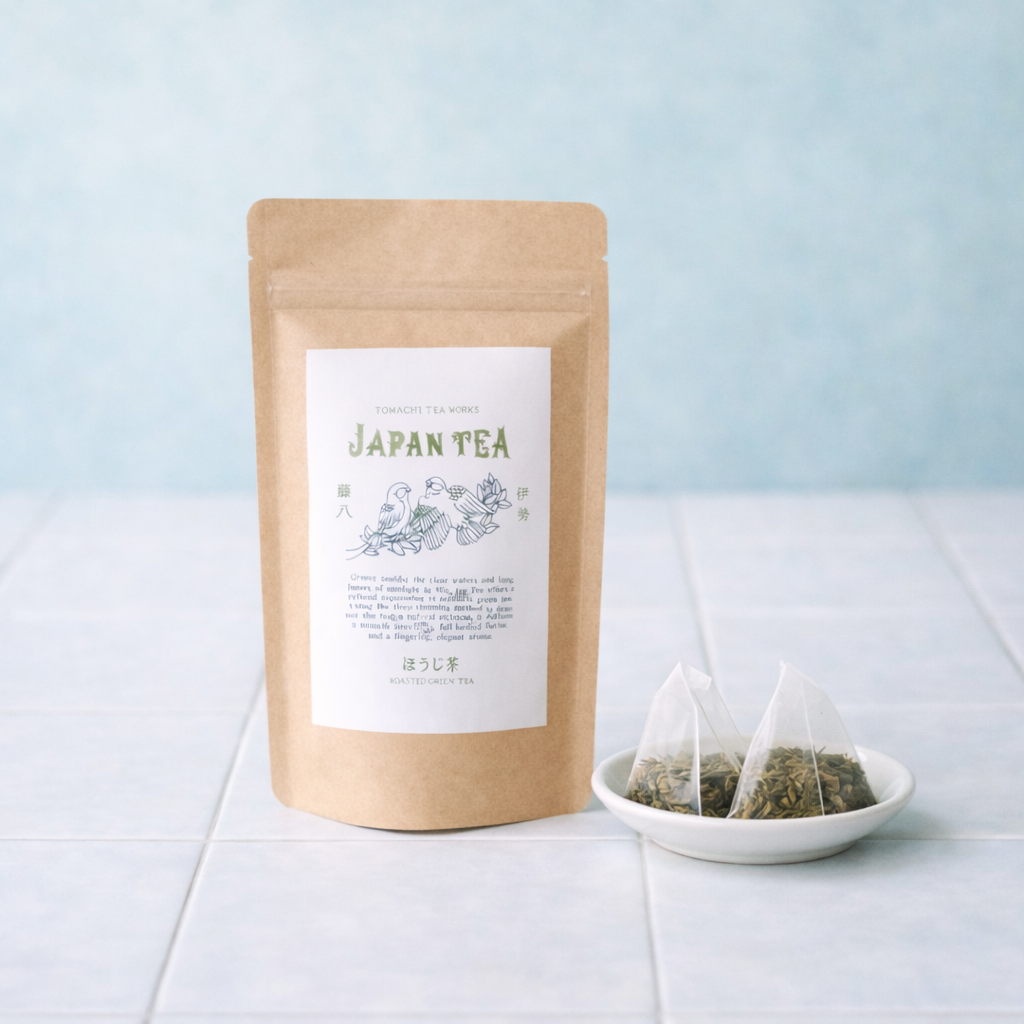 Ise hojicha 8 teabags¥972 (tax incl.)
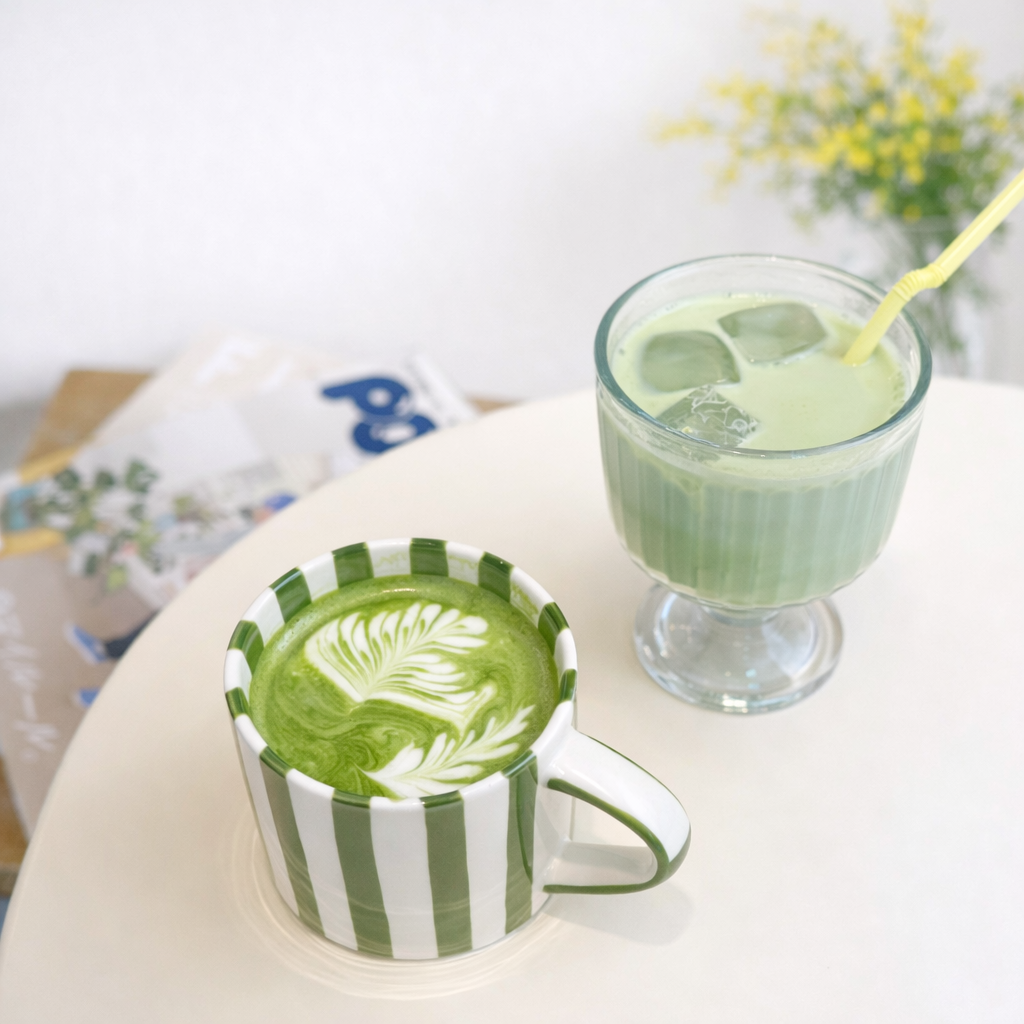 Ise deep steamed tea powder 100g (unsweetened)¥1,380 (tax incl.)
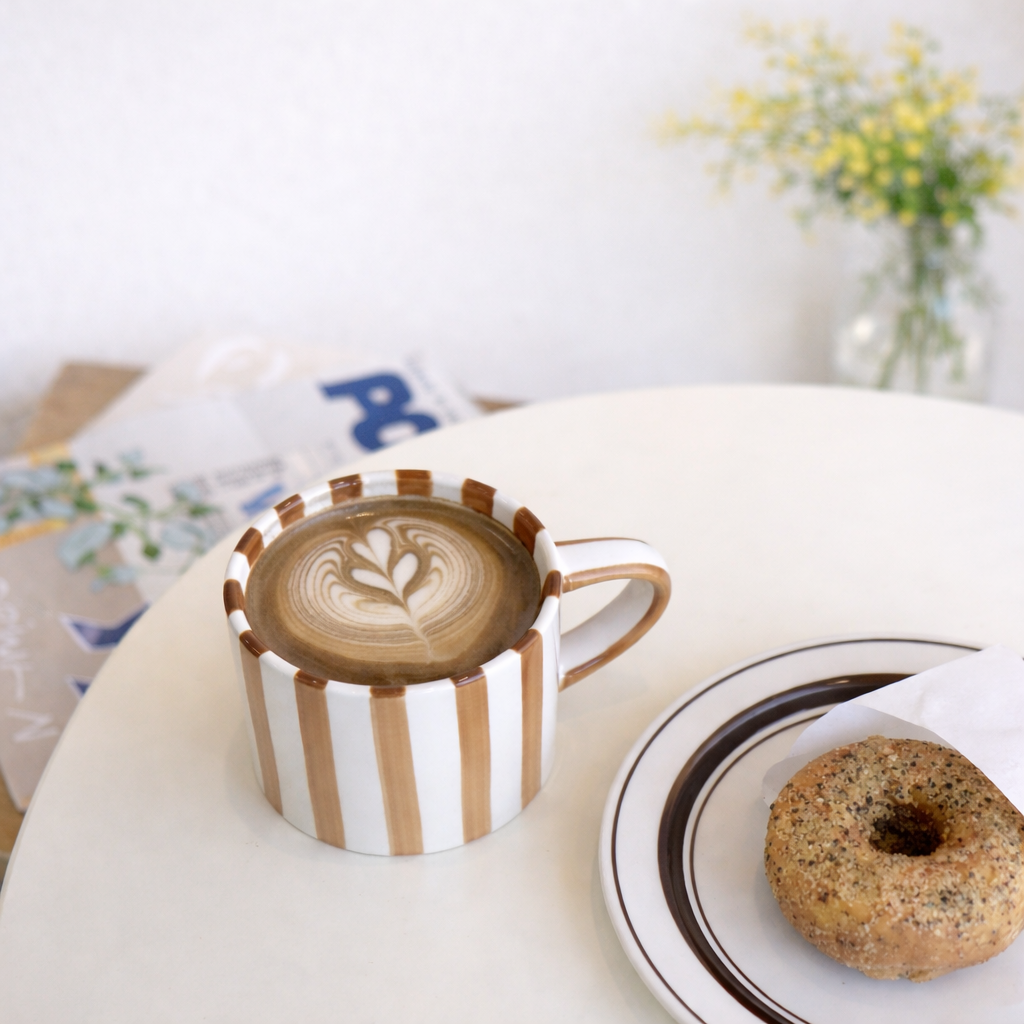 Ise hojicha powder 80g (unsweetened)¥1,380 (tax incl.)
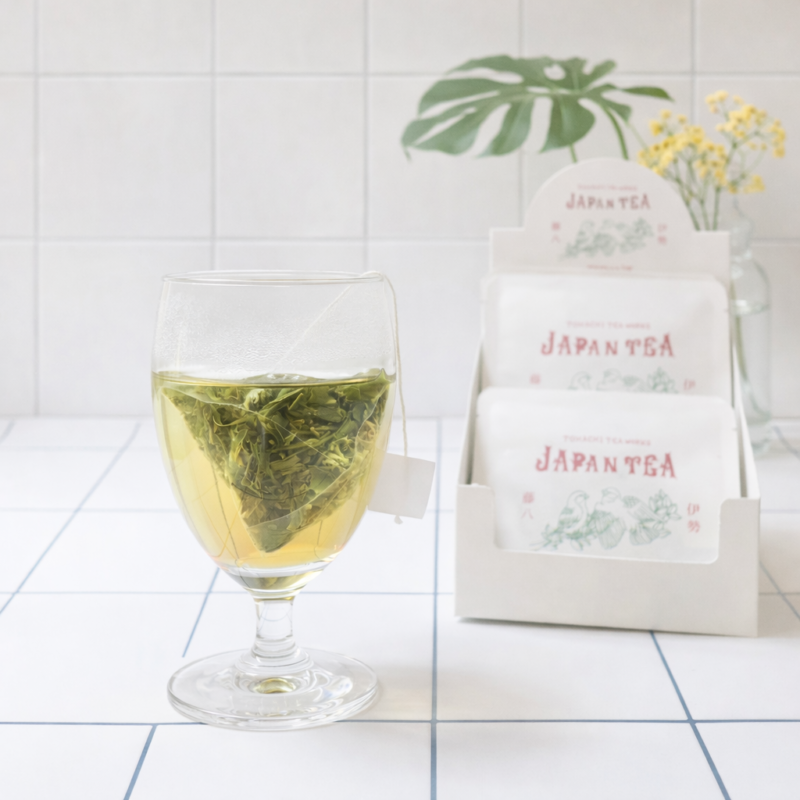 Ise deep steamed tea 3 Teabags¥648 (tax incl.)
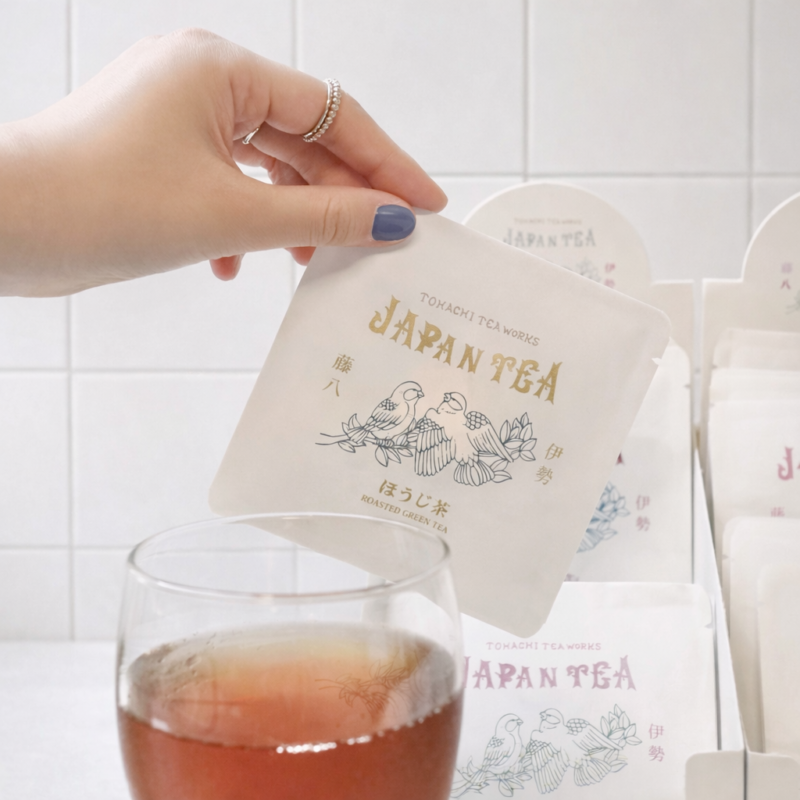 Ise hojicha 3 tea bags¥648 (tax incl.)
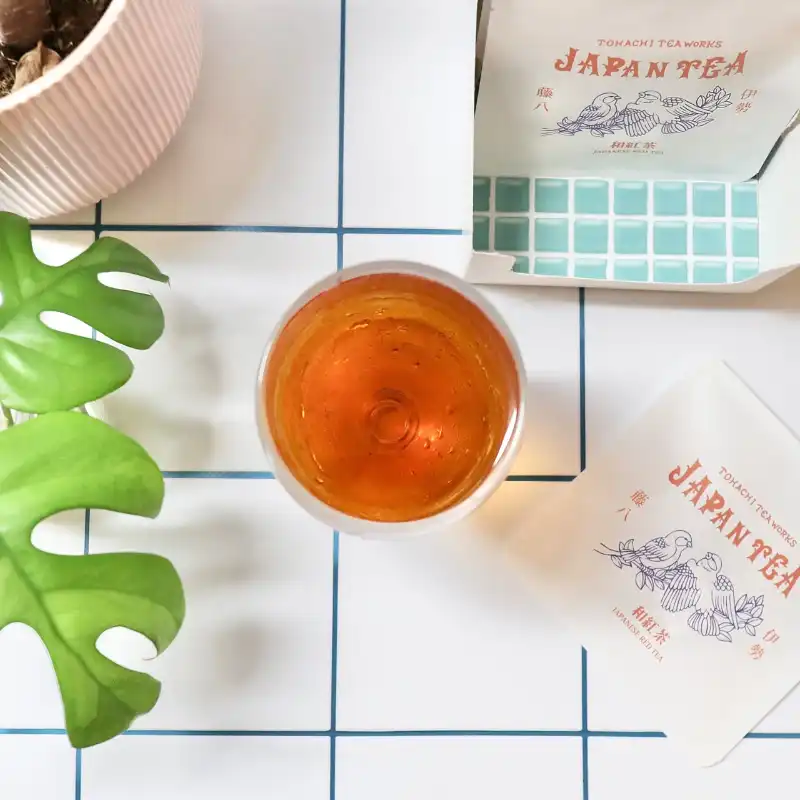 Ise Japanese Black Tea 3 Teabags¥648 (tax incl.)
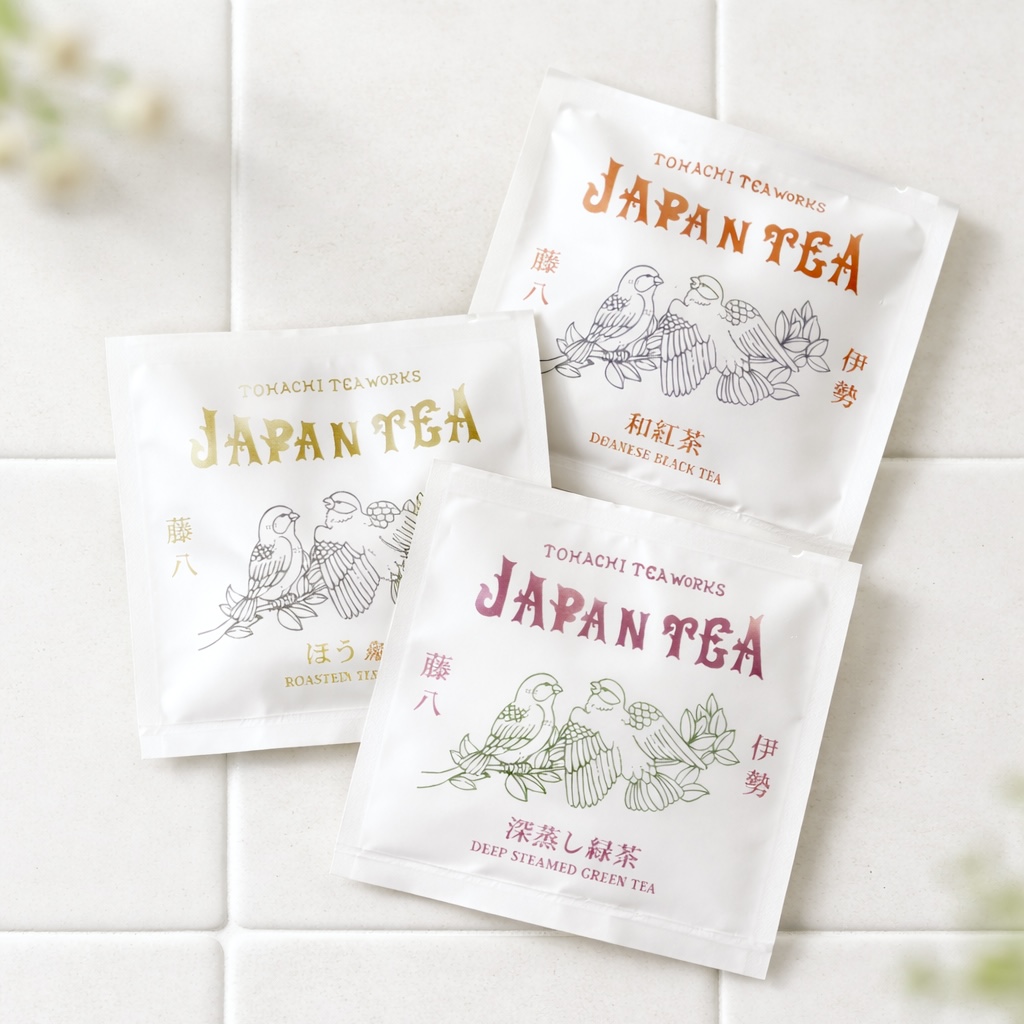 Comparison set of 3 teabags¥648 (tax incl.)