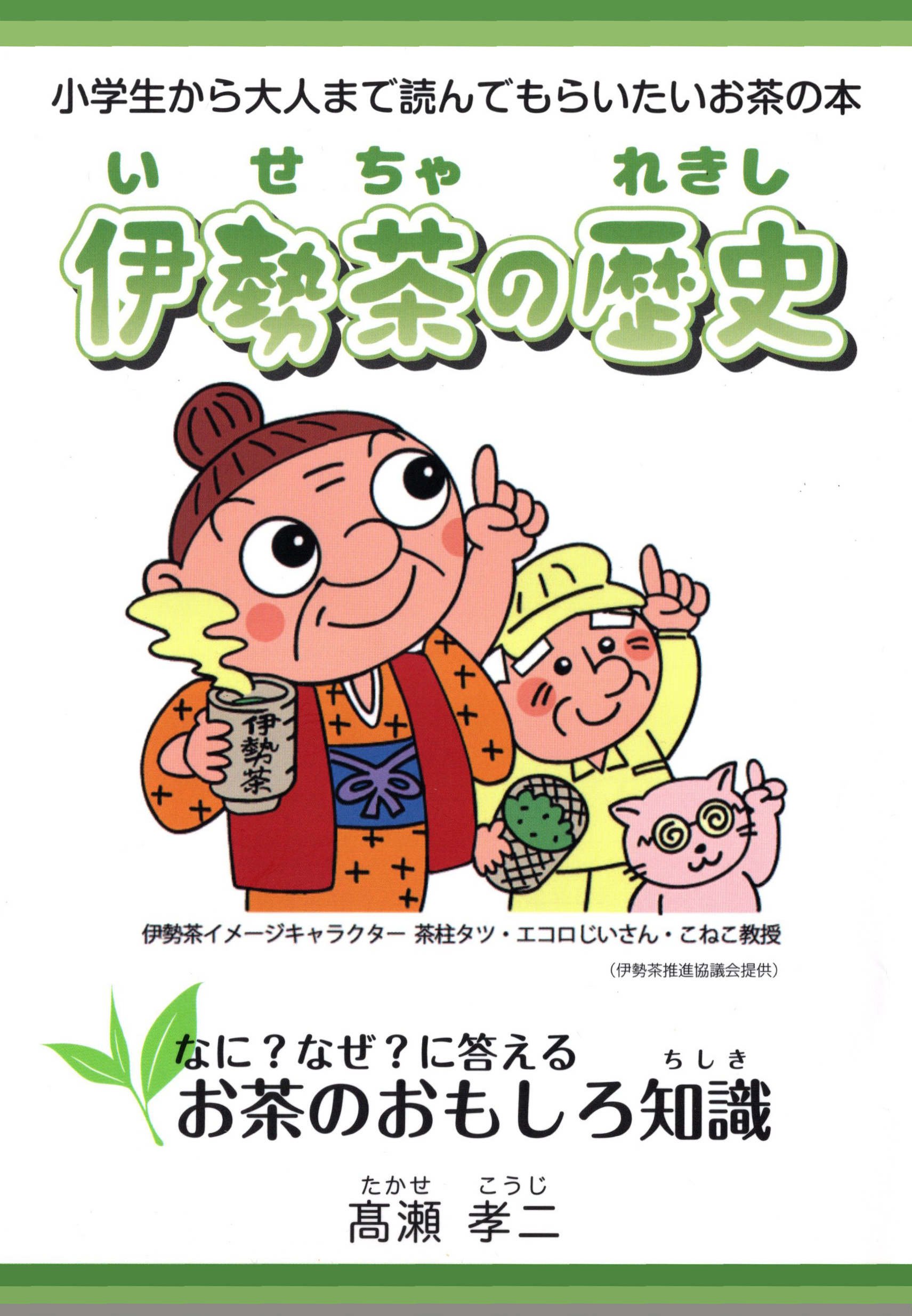
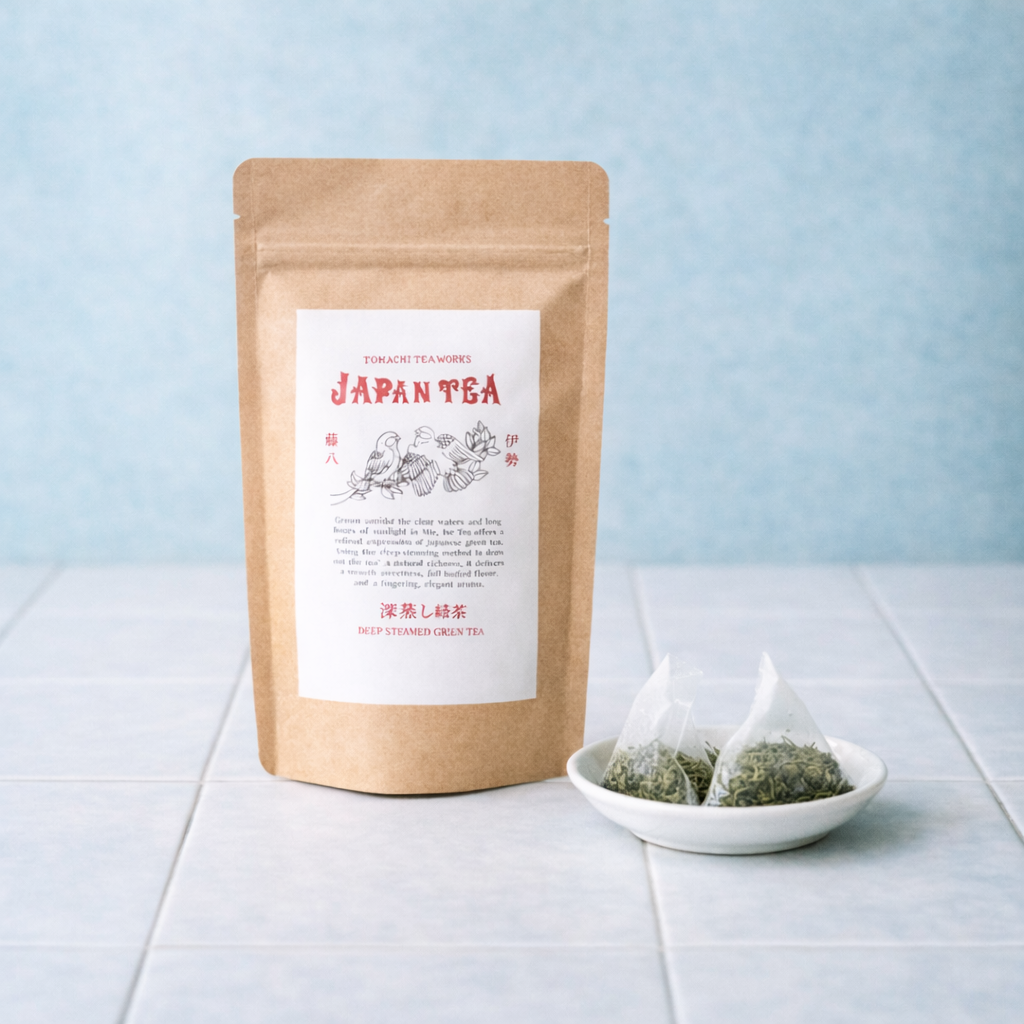
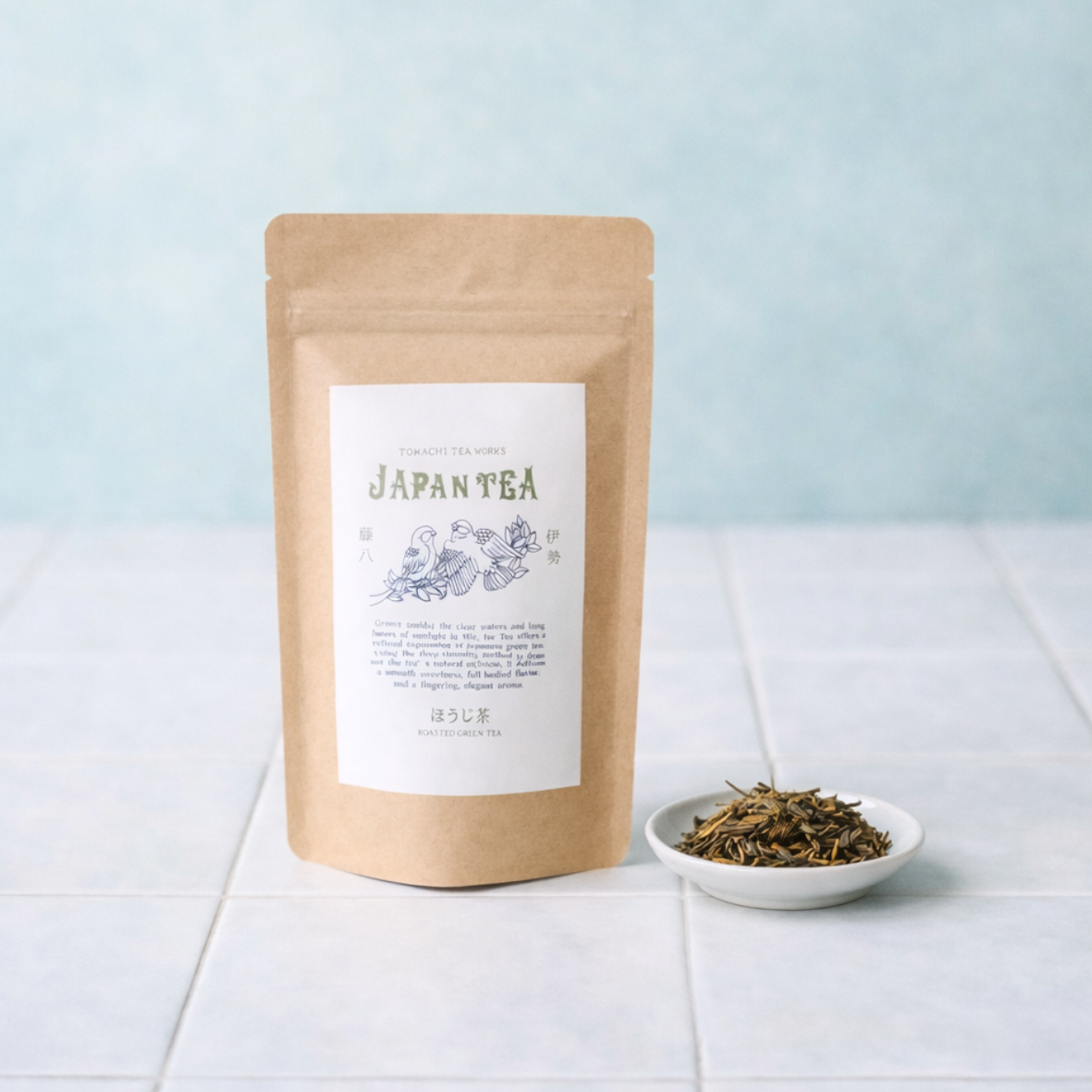
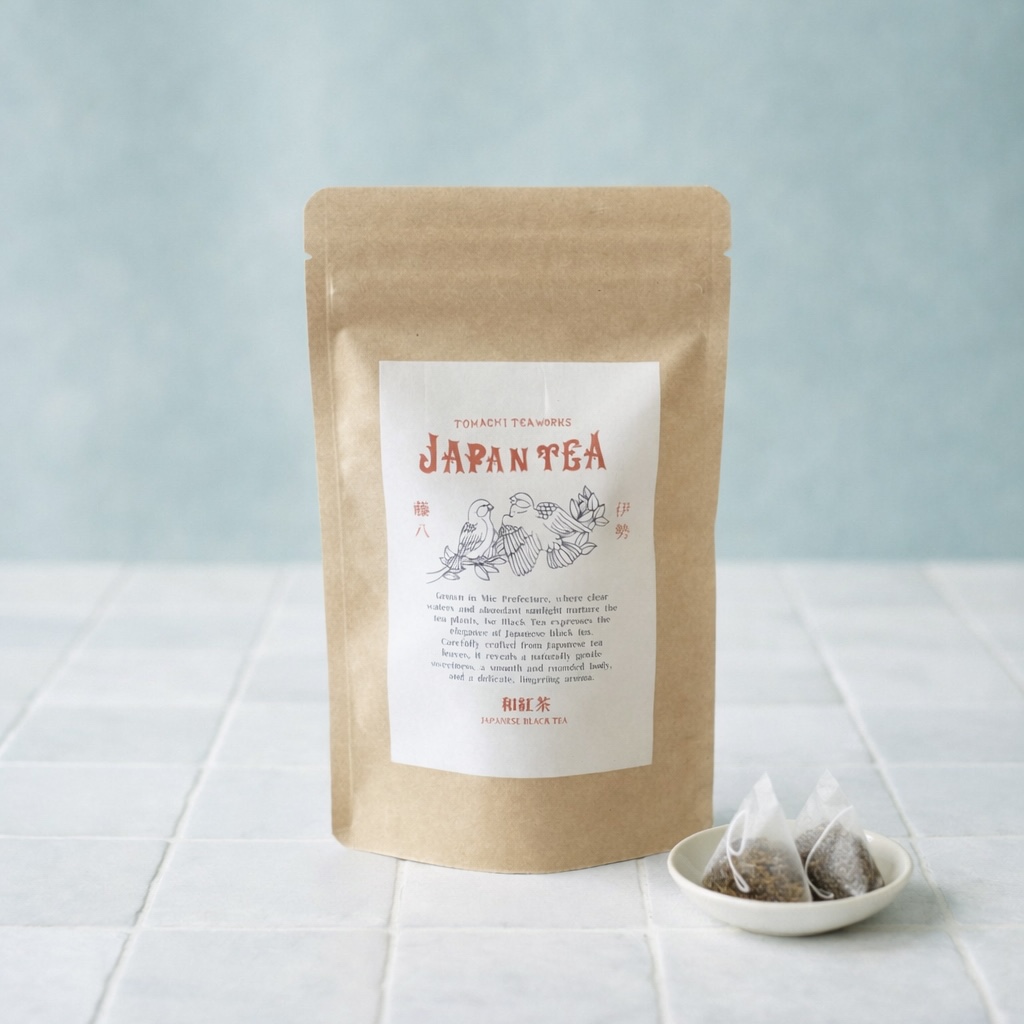
Mie’s traditional brand “Ise tea” has deep roots from the Kamakura period; in the Edo period it was presented to the shogun’s household and exported abroad, helping drive Japan’s tea industry. Today it ranks third in national production, known for rich flavour and high quality.
This book explains green tea processing, health-related components such as catechins, and brewing at the right temperature, plus tea utensils, customs like “chajuu,” storage, and ways to reuse spent leaves—ideas for enjoying tea in daily life. Against traditions built by past generations, it shows how one cup can bring wellbeing and colour to everyday living.
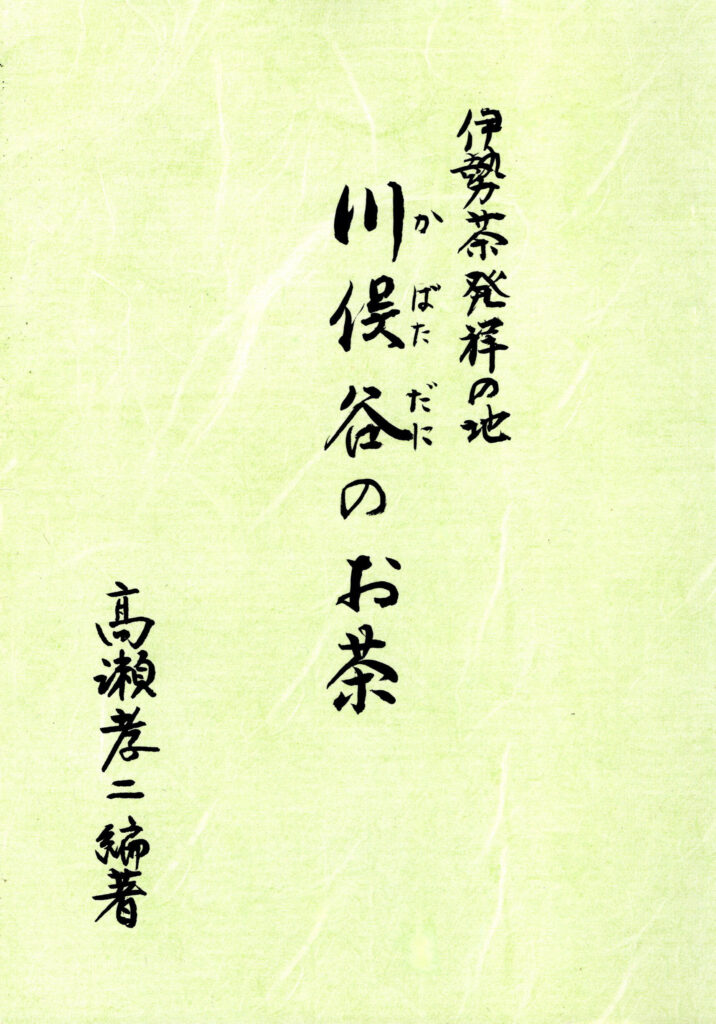
A record centred on Kawamatadani, regarded as the birthplace of “Ise tea” in Mie, from the Kamakura period to the present. Under Kishū domain patronage and the efforts of Ise merchants, Ise tea grew into a major brand with tribute to the shogun and a nationwide distribution network.
From the Meiji era, figures such as Ōtani Kahei promoted exports from Yokohama, Kobe, and Yokkaichi to the United States and beyond, making it a pillar of Japan’s tea trade. Even after postwar decline, innovations such as fukamushi tea and frost-prevention technology spurred revival. Drawing on extensive archival materials and trade records, the book highlights the passion and industrial history of those who upheld tradition while reaching for the world.
[About the author] Takase Koji: Based in Matsusaka (former Mie Prefecture official). Retired as Senior Researcher and Director of the Tea Research Center, Mie Agricultural Technology Center. Later served as Managing Director of the Mie Prefecture Tea Council. Certified Japanese Tea Instructor Leader; dedicated lecturer for the Japanese Tea Adviser training course. Received the Order of the Sacred Treasure, Gold and Silver Rays (Reiwa 6). His publications include “History of Tea in Mie Prefecture.”