Brewing Ise Tea at Its Best
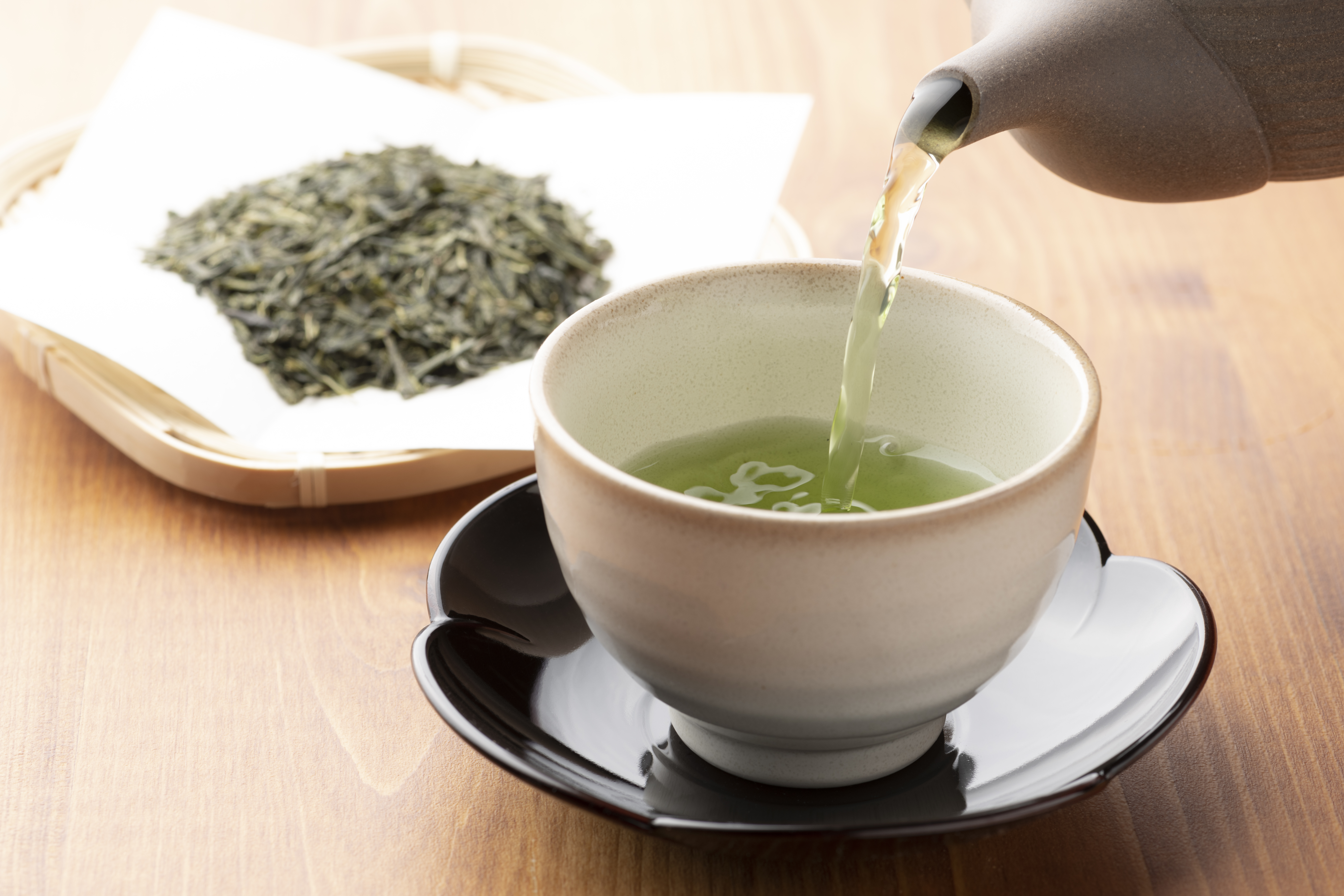
Many of you find this page through the words “Ise tea.” Here we summarize the essentials of brewing to bring out your tea’s full potential.
With just a little attention to temperature and time, the flavour changes dramatically.
1. The golden ratio: about 3 g of leaf per 100 ml of water
For one person, use about 2–3 g of leaf per 100 ml (cc) of water.
- Rough guide: one lightly filled teaspoon, or one level tablespoon.
- Vessel guide: a standard yunomi holds about 100–150 ml; a mug often 200–250 ml. Adjust the leaf to match your cup.
For several guests you can use slightly less than a straight multiple per person (e.g. 6–8 g for three), but for a single cup, a full 3 g helps avoid a thin brew.
2. Flavour comes from balancing the components
Why not pour boiling water straight onto the leaves? Because three components behave differently.
| Component | Role in taste | Behaviour |
|---|---|---|
| Theanine | Sweetness & umami | Extracts well at low or high temperature |
| Catechin | Astringency | Surges above about 80°C |
| Caffeine | Bitterness | Extracts more at higher temperature |
Fine sencha shines when theanine’s sweetness and catechin’s gentle astringency are in balance. Boiling water pulls out too much catechin and caffeine, hiding sweetness and leaving only bitterness.
3. Cooling the water—no thermometer needed
Aim for about 70–80°C. The traditional way without a thermometer is yuzamashi (cooling the water).
- 1) Pour boiling water into your yunomi first—this alone drops the temperature by about 10°C (to roughly 90°C).
- 2) Wait about one minute—each minute drops roughly another 10°C.
- 3) Judge by touch:
- Too hot to hold: still above about 85°C—likely bitter.
- Hot but you can hold it: about 75–80°C—often the sweet spot.
- Comfortably warm: 70°C or below—may be a little cool.
4. Steeping and round pouring
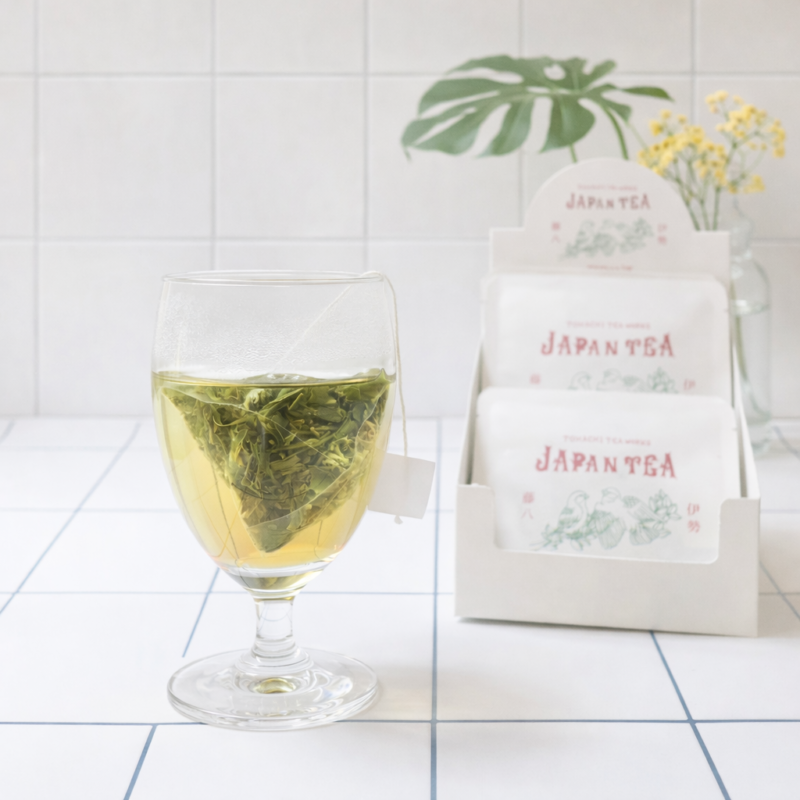
Once the water is at temperature, move it to your kyusu and wait quietly.
- Standard sencha: about 1 minute.
- Fukamushi: about 30–45 seconds (fine leaves extract quickly).
When pouring into several cups, use “round pouring”—a little into cup 1, then cup 2, then back to 1—so strength stays even. Above all, pour out every last drop: the final drops hold concentrated umami, and leaving the pot dry helps the second infusion taste good.
The time you spend is time to unwind. Enjoy the aroma and sweetness of Ise tea with all your senses.