Ise Tea and America
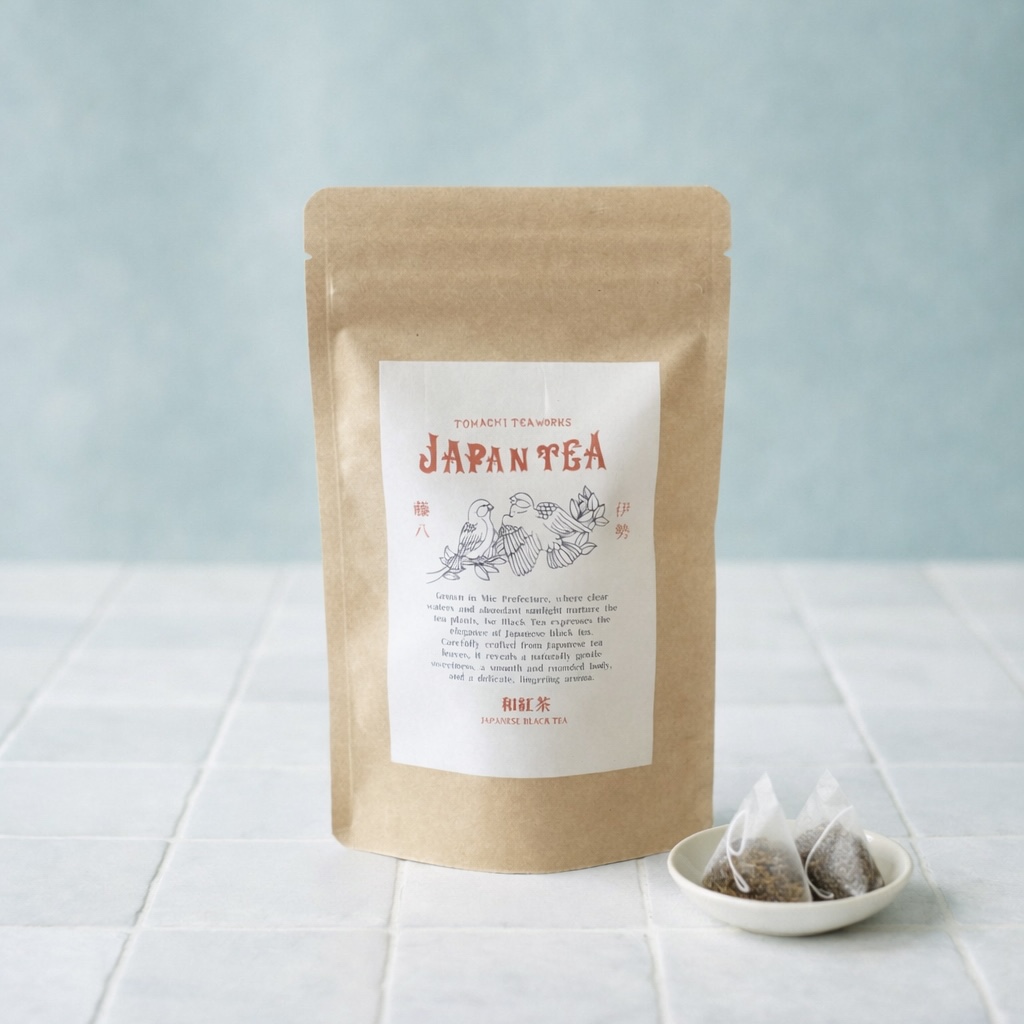
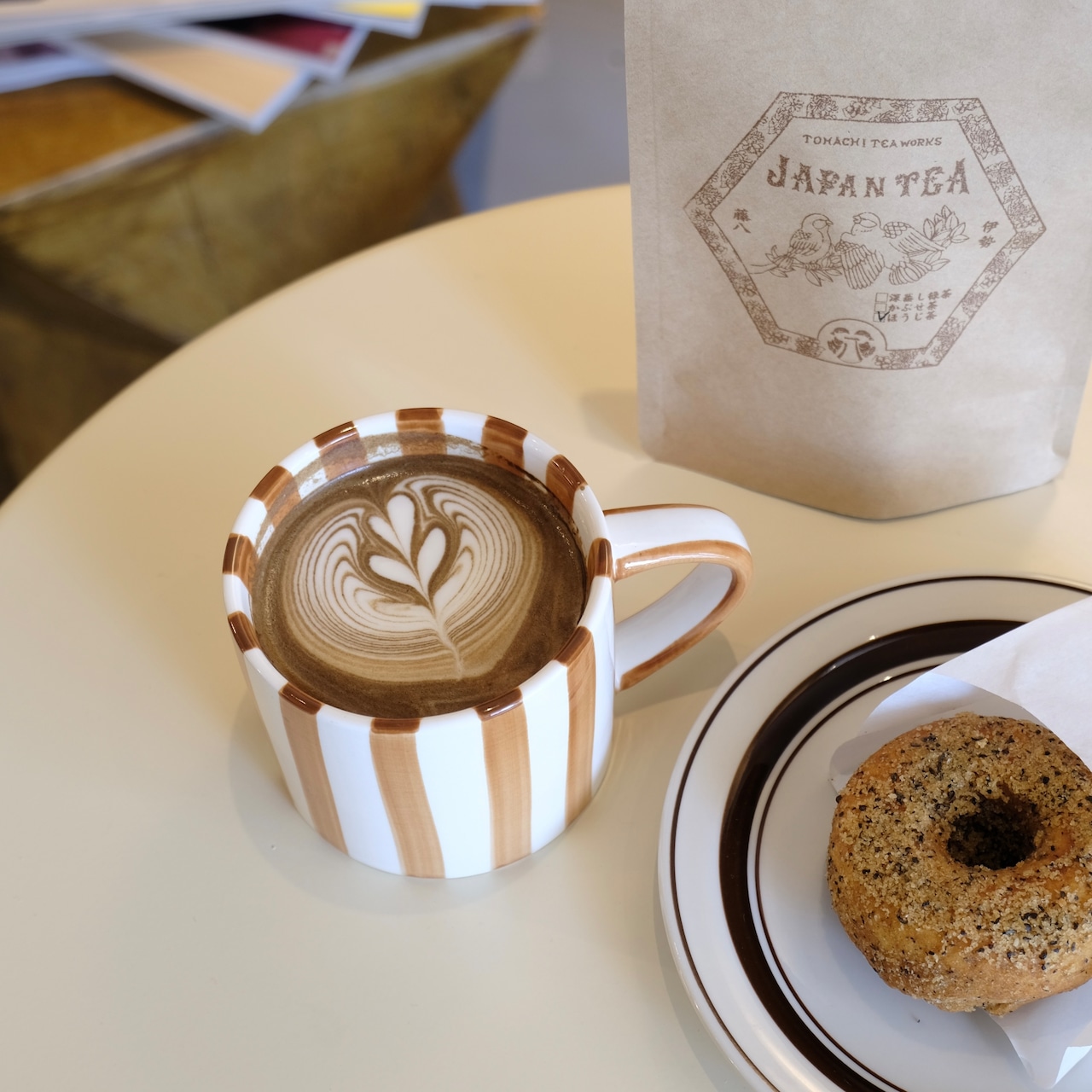
Our shop’s roots lie with Takase Tōhachi, who poured his energy into exporting Ise tea from the late Edo through the Meiji era. Beyond that endeavour stretched a deep bond with a distant land: America.
In a Japan newly opened to the world, tea stood alongside raw silk among the nation’s most critical exports. According to the History of the Japanese Tea Industry, most of the Japanese tea that first crossed the ocean was in fact grown in the Ise region.
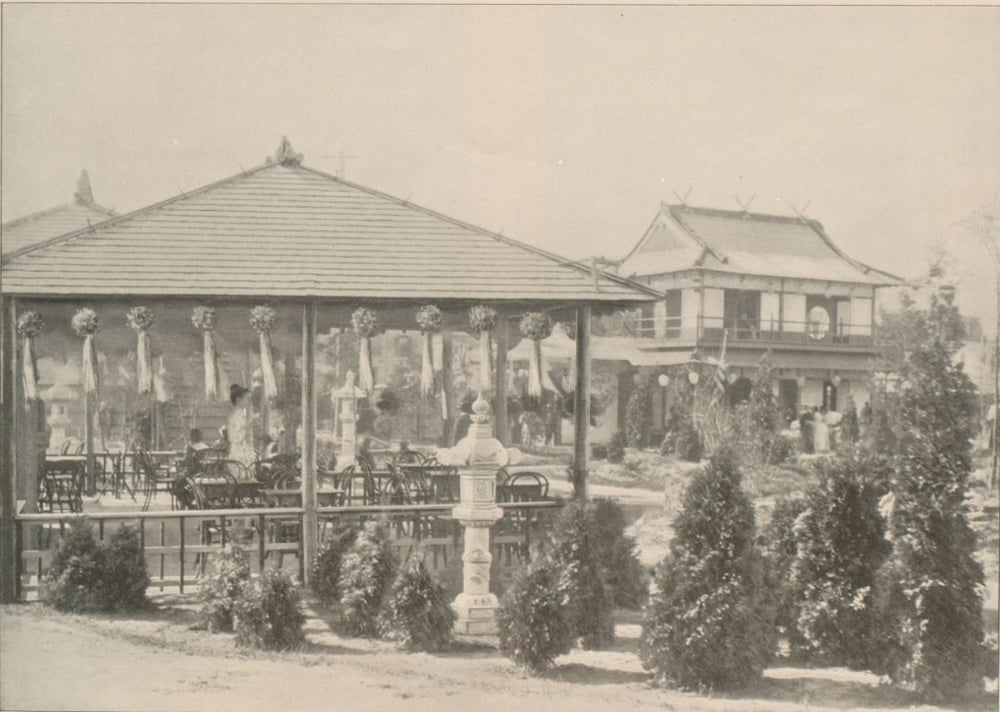
Today we picture America as coffee and black tea, but the situation then was different. A century after independence, black tea dominated by British interests was costly—a luxury few could afford. What arrived instead was fragrant, wholesome Ise tea.
Affordable, high-quality Japanese tea quickly won American hearts and sparked an extraordinary boom. One traveller’s diary vividly describes some 1,500 Japanese tea rooms lining New York, where people sweetened and milked this new taste. The “tea” Americans first took into daily life may not have been black tea at all, but Ise tea.
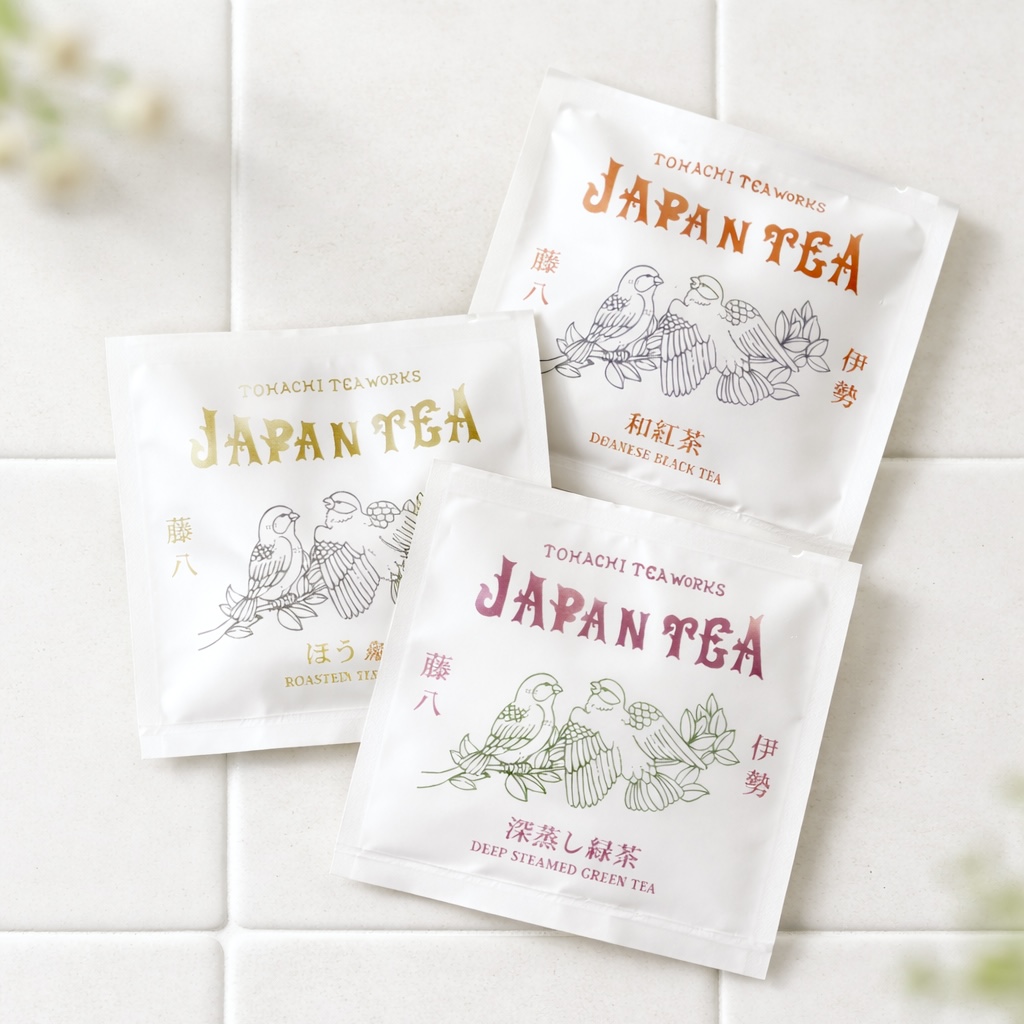
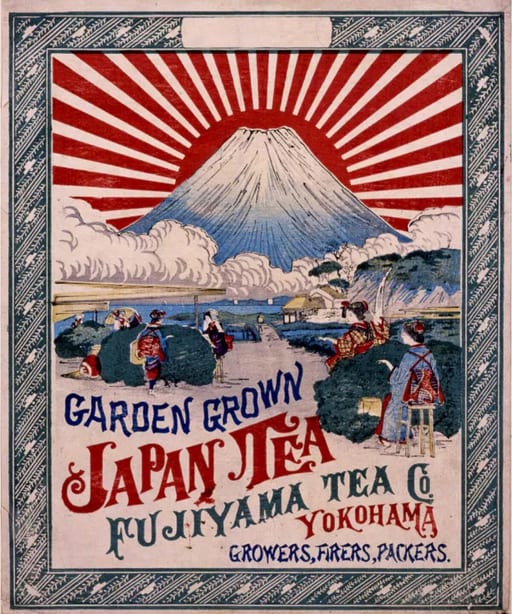
Colouring those exports were beautiful labels called ranji. Woodblock polychrome prints on Japanese paper—designs from ukiyo-e artists, carved and printed by specialists—merged traditional craft with Western typography, pioneering graphic design in its own right. Those vivid designs were cherished as art overseas.
Ise tea once crossed the ocean to brighten everyday life in another country. We still honour that proud history in every cup we serve.