

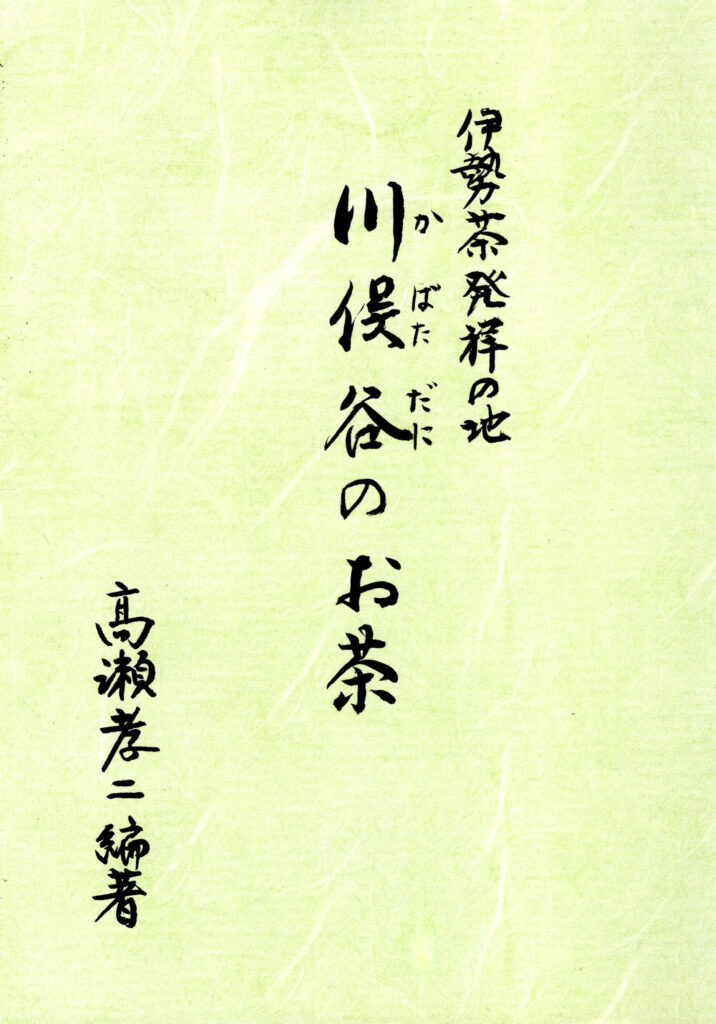
Tea from Kawamatadani, the birthplace of Ise tea
He is the great uncle of the owner, Haruka Takase.Koji Takase, the leader of the Japanese tea instructorsBooks by"Tea from Kawamatadani, the birthplace of Ise tea"The full text is now available in PDF format.
Set in Kawamatavati, the birthplace of Ise tea, the author, a leading Japanese tea instructor, uses his expert knowledge to unravel the passion and journey of the pioneers who presented tea to the shogun and led exports to the United States during the Meiji period. From the legendary hand-rolling technique to its postwar revival, this book condenses the 1,000-year history of high-quality Ise tea, and shines with the unique perspective of a tea professional. Follow the path of the ancient Ise merchants who dreamed of reaching the world, and discover the surprising story hidden in the aroma of deep-steamed tea. PDF
[Author profile]
Takase Koji: Resident of Matsusaka City (former Mie Prefecture employee). He retired after serving as chief researcher at the Mie Prefecture Agricultural Technology Center and director of the Tea Industry Center. After retirement, he became executive director of the Mie Prefecture Tea Industry Chamber. He is a certified Japanese Tea Instructor Leader by the Japan Tea Instructor Association and a full-time lecturer for the Japanese Tea Advisor Training Course. He was awarded the Order of the Sacred Treasure, Gold and Silver Rays in 2024. His main publications include "The History of the Tea Industry in Mie Prefecture."
産地直送、一番茶のみの贅沢心ほどける「本物の伊勢茶」をお届けします。
濃厚なコクの「深蒸し煎茶」と、香り高い「ほうじ茶」。茶師が厳選した、藤八茶寮自慢のラインナップはこちら。
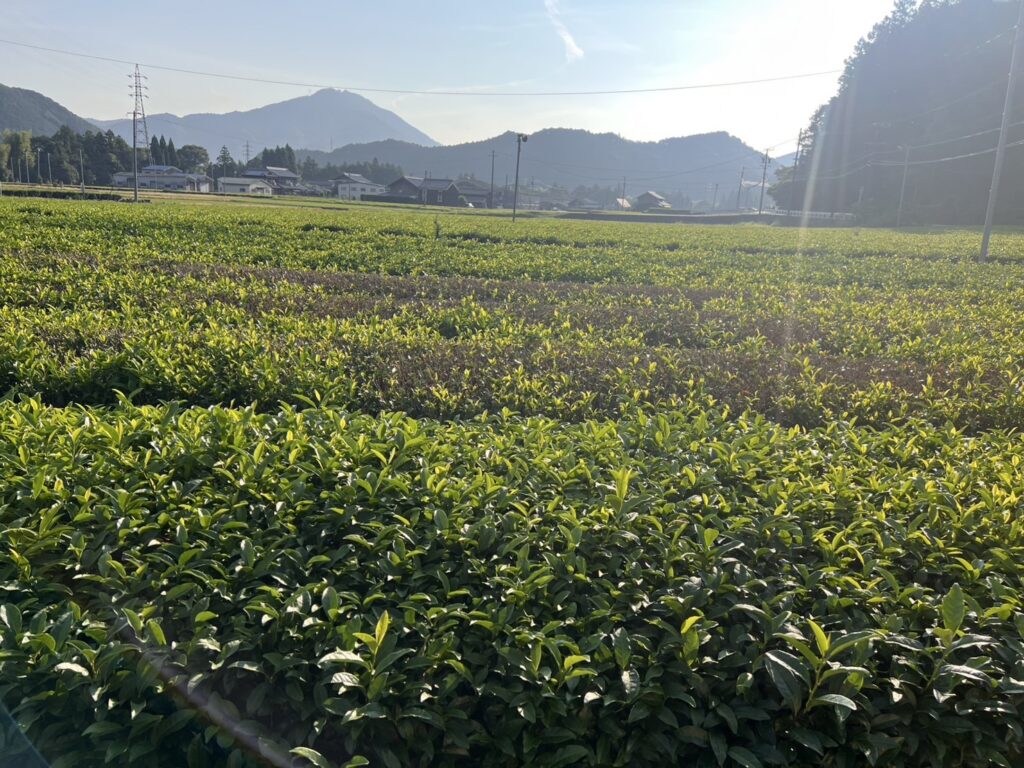
Ise-cha is the cherished brand name used to describe the diverse variety of teas grown across Mie Prefecture.
With deep historical roots, Ise tea was established as a prized local specialty as early as the Edo period. Now grown across all of Mie Prefecture, the region’s abundant nature and distinct terroir continue to shape the profound depth and character of every cup.
Proudly ranked as Japan's third-largest tea-producing region.
Mie Prefecture is one of Japan's premier tea-growing regions, proudly ranking third in production nationwide, following Shizuoka and Kagoshima. While it remains a hidden gem to many, a significant portion of Japan’s tea culture is, in fact, supported right here in Mie.
伊勢茶の特徴「深蒸し茶の味わい」
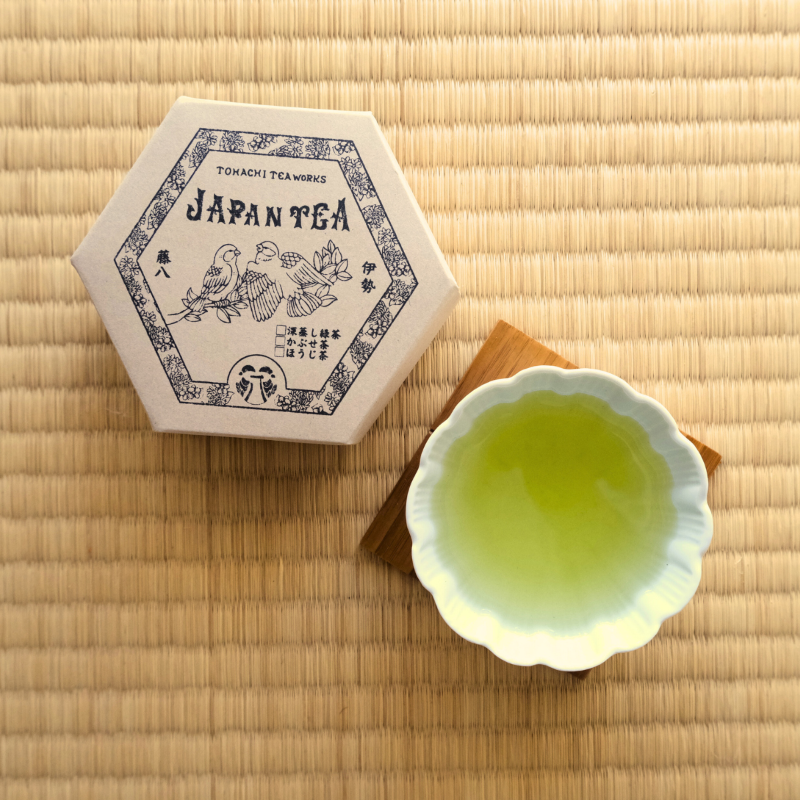
伊勢茶を代表する深蒸し茶は、茶の葉を深く蒸して茶葉の葉柄や軸などに多く含有するテアニンなど旨みの成分の浸出を容易にする製法で、旨みが濃くまろやかな味のお茶として全国の品評会で常に上位を独占しています。
Deep-steamed Tea (Fukamushi-cha)
While standard Sencha is steamed for about 30 to 40 seconds, Deep-steamed Tea is steamed for two to four times longer (approximately 60 to 180 seconds).
This extended steaming process breaks down the leaf cells further, reducing astringency and creating a mellow, rich flavor.
The tea’s liquor is characterized by a deep, cloudy green color, as fine tea particles dissolve into the water.
Additionally, brewing at a lower temperature (around 70°C) than regular Sencha will further enhance its natural sweetness.
産地直送、一番茶のみの贅沢心ほどける「本物の伊勢茶」をお届けします。
濃厚なコクの「深蒸し煎茶」と、香り高い「ほうじ茶」。茶師が厳選した、藤八茶寮自慢のラインナップはこちら。
The Secret Behind the Beloved Taste of Ise Tea: Nurtured by a Blessed Climate and Powerful Leaves
Mie Prefecture, and especially the "Nansei region," has been blessed since ancient times with a miraculous balance of conditions perfectly suited for tea cultivation.
Blessed with abundant sunshine and a temperate climate, this land provides the ideal foundation for tea. The Miyagawa and other crystal-clear streams provide the perfect amount of rain and humidity, allowing the plants to thrive. By braving these demanding yet nourishing natural conditions, the leaves become packed with nutrients, resulting in the thick, powerful character that defines Ise tea.
A solid, well-defined astringency and a deeply memorable richness.
Leaf thickness is the key to profound depth of flavor. These thick Ise tea leaves fully release their intense astringency and concentrated richness the moment they are steeped. The true pinnacle of the Ise tea experience is discovering a firm, well-defined umami—the original heart of tea—that goes far beyond simple bitterness.
Vibrant emerald green and a soothing, rich aroma.
The unique climate and abundant sunlight stimulate the tea leaves to produce high levels of catechins for health and theanine for umami. The result is a surprisingly vibrant green hue the moment it is brewed. Its mellow, meadow-like fragrance and long-lasting, rich aftertaste transform an ordinary moment into a truly special time of relaxation.
Roasted Green Tea (Hojicha)
Hojicha is a type of tea made by roasting green tea leaves, such as Sencha, Bancha, or Kukicha, over high heat.
A fragrant compound called pyrazines, produced during the roasting process, creates the characteristic nutty and toasted aroma of Hojicha.
Due to its mild nature, it is ideal for pairing with meals, and since roasting reduces the caffeine content, it is also easy to enjoy at night.
In English, it is commonly referred to as roasted green tea.
The History of Ise Tea: A Tale of "Prayer and Craftsmanship" Passed Down Over a Thousand Years
The history of Ise tea is remarkably ancient, with origins dating back to the Engi era (901–922) of the Heian period. Records show that tea cultivation began in this region more than 1,100 years ago.
In ancient times, tea was not a daily beverage as it is today, but was treated as an extremely precious "medicine." Cultivated with care primarily within temple grounds, it was used as a restorative aid to balance the body and mind of monks devoted to their ascetic training, and as a sacred offering accompanied by prayer.
The Passion of Ise Merchants and the Nationwide Rise of Ise Tea
As the Edo period arrived, tea culture blossomed across Japan. Playing a pivotal role in this growth were the "Ise Merchants," renowned for their extraordinary business acumen and nationwide networks. Thanks to their influence, the high-quality tea nurtured in Mie was transported to every corner of the country, transforming the Ise Tea name into a prestigious national brand almost overnight.
産地直送、一番茶のみの贅沢心ほどける「本物の伊勢茶」をお届けします。
濃厚なコクの「深蒸し煎茶」と、香り高い「ほうじ茶」。茶師が厳選した、藤八茶寮自慢のラインナップはこちら。
The Export of Ise Tea and Its Forgotten Golden Era: Memories of Japanese Tea Crossing the Seas
However, as relations between Japan and the U.S. rapidly deteriorated during the Showa era, the once-flourishing export routes for Ise tea were heartlessly severed. Had it not been for those historic upheavals, it is said that Japanese "Sencha" would likely be as deeply rooted in American daily life today as coffee or black tea. Ise tea had come that close to capturing the hearts of people worldwide and becoming a global cultural staple.
Ise Tea That Swept the World: A National Mainstay Alongside Raw Silk
With the opening of Japan's ports at the end of the Edo period, the nation's rich agricultural products took flight to the world. From the final days of the shogunate to the early Meiji era, tea stood alongside raw silk as one of Japan’s two major exports, serving as a pillar for earning foreign currency, with the United States as its primary destination. Remarkably, more than 80% of Japan's tea exports at the time were bound for America, and "Ise Tea" played a central role in meeting that immense demand.
The Tea Garden Culture That Blossomed in New York
An incredible episode reveals just how deeply Ise Tea was loved in America. During its peak, more than 2,500 tea gardens lined the streets of New York, serving Ise Tea to a bustling public. For New Yorkers, its refreshing aroma and profound flavor were a daily luxury that added color and sophistication to their lives.

Japanese Black Tea (Wa-kocha)
A recently popular tea made from tea leaves grown in Japan and processed domestically as black tea.
While overseas black teas (such as Assam varieties) tend to have a strong astringency, Japanese black tea is typically made from Camellia sinensis var. sinensis (Chinese variety), which is characterized by its pronounced sweetness and umami.
Furthermore, compared to the bold and intense fragrance of overseas teas, Japanese black tea is prized for its subtle and delicate aroma.
In English, it is commonly called Japanese Black tea.
産地直送、一番茶のみの贅沢心ほどける「本物の伊勢茶」をお届けします。
濃厚なコクの「深蒸し煎茶」と、香り高い「ほうじ茶」。茶師が厳選した、藤八茶寮自慢のラインナップはこちら。